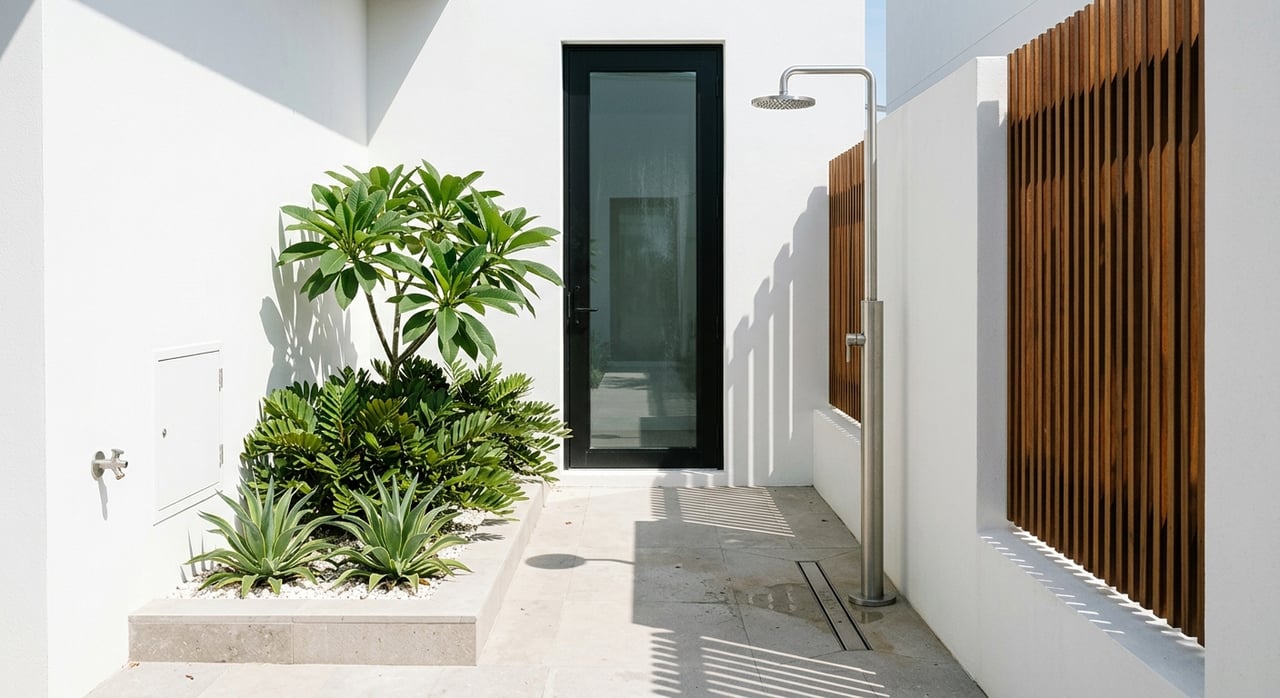
Pass-a-Grille Second Home Planning That Fits Your Life
July 23, 2026
July 23, 2026
Dreaming about a place where your weekends slow down, the beach is part of your daily routine, and coming back feels easy every time? Planning a second home lifestyle in Pass-a-Grille can be exciting, but it also comes with decisions that go beyond picking a beautiful property. You need to think about how you will use the home, what kind of upkeep fits your schedule, and how local rules may shape your options. Let’s dive in.
Pass-a-Grille sits at the south end of St. Pete Beach on Long Key, a barrier island in Pinellas County. It is known for its historic setting, beach-town feel, and easy access to local amenities that support repeat visits throughout the year.
The area is part of the National Register-listed Pass-A-Grille Historic District, which gives it a distinct sense of place. If you are drawn to older architecture and a neighborhood with character, that can be a major part of the appeal.
St. Pete Beach also describes the area as a beach community with parks, a library, dining options, concerts, art shows, and visitor amenities. For a second-home buyer, that mix can make short stays feel full and easy without needing a packed itinerary.
A second home works best when it matches how you actually plan to live in it. In Pass-a-Grille, the lifestyle often centers on walkability, beach access, and the simplicity of being able to arrive and settle in quickly.
City-maintained beach features support that convenience. Public maintenance includes sand dunes, beach access points, walkovers, seawalls, piers, boat ramps, signage, benches, trash receptacles, and showers at Pass-a-Grille and Upham Beaches.
Parking can also matter if you are coming and going often. The city maintains resident parking-permit programs that include Pass-a-Grille streets and some metered spaces, which is worth understanding if you expect regular visits or guests.
One of the biggest second-home decisions is whether a condo or a single-family home better fits your plans. In Pass-a-Grille, that choice affects your maintenance load, your flexibility, and sometimes your ability to make future changes.
A condo can make sense if you want a more managed, lock-and-leave setup. Under Florida’s condo ownership model, the association is responsible for operating the condominium and maintaining, repairing, and protecting the land and facilities it controls.
That can be attractive if you want to spend more time enjoying the property and less time coordinating upkeep. For many part-time owners, that kind of structure supports a simpler ownership experience.
Before buying, Florida’s condo purchase guide says you should review the declaration, bylaws, pet policy, reserve funds, insurance, rental restrictions, and occupancy limits. Those documents can have a direct impact on how you use the property.
A detached home can be a better match if you want more direct control over the property. You may prefer that route if privacy, outdoor space, or the freedom to manage the home your way matters most.
That said, Pass-a-Grille’s historic context can make exterior changes and additions more consequential than they might be elsewhere. Because the area includes a historic district, buyers considering updates should be prepared for a preservation-sensitive environment on at least some parcels.
No matter which property type you choose, second-home planning works best when you focus on the details early. In Pass-a-Grille, parcel-level facts matter more than broad assumptions.
Here are a few smart questions to ask during your search:
These are not small details in a beach market. They shape both your costs and your day-to-day ownership experience.
It is easy to focus on the purchase price and overlook the ongoing ownership picture. In Pass-a-Grille, a realistic budget should include taxes, insurance, maintenance, and storm-related planning.
One important point is homestead status. Pinellas County and the Florida Department of Revenue describe homestead as a benefit for a primary residence or permanent home, so a vacation home should generally be evaluated without assuming that tax benefit.
That distinction matters when you are comparing affordability. A second home may carry a different long-term cost structure than a primary residence, even if the monthly numbers look manageable at first glance.
Barrier-island ownership comes with real flood considerations, and that should be part of your planning from the beginning. Pinellas County says everyone lives in a flood zone in some way and directs buyers to its Flood Map Service Center.
St. Pete Beach’s hurricane resources note that the city has an average land elevation of about 7.5 feet above sea level. That low-lying coastal setting is part of the appeal, but it is also part of the risk profile.
Flood insurance can also affect financing. FEMA and NFIP guidance notes that flood insurance can be required in high-risk zones when a buyer uses a government-backed mortgage.
In Pass-a-Grille, storm planning is not something to figure out later. It is part of what responsible second-home ownership looks like.
St. Pete Beach says hurricane season runs from June 1 through November 30. Pinellas County explains that evacuation zones are based on storm-surge risk, and the city states that the entire City of St. Pete Beach is in Evacuation Zone A.
If you will only be in town part-time, having a storm plan matters even more. Pinellas County also advises residents to keep proof of residency and barrier-island re-entry documents available for post-storm access.
If you are buying a property with renovation plans, do not treat that as a side issue. Permitting and code compliance should be part of your timeline and budget from the start.
The city says plans submitted for permits must comply with the 2023 8th Edition Florida Building Code. In an area with coastal exposure and historic context, that can affect both design choices and project costs.
For second-home buyers, this is especially important if you expect to improve the property between visits or before renting it. Clear expectations on permits and scope can help you avoid delays.
Many buyers like the idea of offsetting costs with rental income, but in Pass-a-Grille, rental strategy depends on local rules, zoning, and property type. You should confirm what is allowed before you build your numbers around it.
St. Pete Beach says rentals of one month or more are allowed in all residences citywide. That creates one clear path for owners who want more flexibility without relying on very short stays.
For stays under 30 days, the current code for the Pass-a-Grille Overlay District allows transient occupancy in single-family or multi-family dwellings only if it occurs no more than three times in any 12-month period on a parcel. The city’s rental rules page also says this type of transient lodging use requires a business tax license and review by zoning and the fire marshal.
If you are looking at a condo, there is another layer to review. Florida’s condo buyer guide specifically tells purchasers to check for restrictions on selling or renting units and to review association documents before closing.
If you do plan to rent the property, tax treatment matters too. Short-term rental income is not just about demand or nightly rates.
Pinellas County levies a 6% Tourist Development Tax on short-term accommodations. Florida also requires state sales tax reporting and remittance on transient rentals, and state law allows counties to impose local-option transient rental taxes on accommodations rented for six months or less.
This is one more reason to verify your use case before you buy. The most successful second-home plans in Pass-a-Grille are grounded in the actual rules tied to the parcel and property type.
The best second-home decision is usually the one that fits your routine, not just your wish list. In Pass-a-Grille, that means balancing lifestyle appeal with practical questions about maintenance, flood exposure, evacuation planning, and rental legality.
For some buyers, the right fit is a condo that supports easy arrival and low day-to-day management. For others, it is a detached home that offers more control and a stronger connection to the area’s historic character.
Either way, the details matter here. When you understand zoning, building type, local regulations, and ownership costs before you buy, you can make a decision that feels just as good in year three as it does on closing day.
If you are exploring a second home in Pass-a-Grille and want local guidance that balances lifestyle goals with the real-world details, Jason White can help you evaluate the right fit with a clear, informed strategy.
Stay up to date on the latest real estate trends.
Embark on your next real estate journey with W Real Estate Group. Contact us today and let us turn your real estate dreams into reality. With W Real Estate Group, your success is our priority. Welcome home to a future of exceptional real estate experiences!