How to Sell a St Pete Beach Condo to Remote Buyers
July 9, 2026
July 9, 2026
If your St. Pete Beach condo looks great in person but leaves questions unanswered online, out-of-state buyers may move on before they ever book a flight. That is a real issue in a beach market where many buyers are shopping for a second home, seasonal residence, or investment-minded purchase from somewhere else. The good news is that you can position your condo to meet how these buyers actually shop, what they need to know, and what helps them feel confident enough to act. Let’s dive in.
St. Pete Beach is not a niche market for remote buyers. The city describes itself as a resort community with beaches, restaurants, shopping, and recreation, and it also notes that nearly 28% of residential homes and condos are owned by people whose primary residence is elsewhere. For you as a seller, that means your likely buyer may not live in Florida full time and may make major decisions from a distance.
That changes how your condo should be marketed. Instead of relying on a weekend showing or a quick open house impression, you need a listing that helps someone understand the unit, the building, and the ownership experience before they arrive. In many cases, your online presentation is the first showing.
Out-of-state buyers tend to make early decisions based on what they can review on their phone or laptop. National buyer research found that 43% of buyers started online, 51% found their home through online search, and 69% used a mobile device or tablet during the process. Buyers also viewed some homes online only, which shows how important digital presentation has become.
For your St. Pete Beach condo, that means the basics are not enough. A few nice photos and a short description will not carry the listing if the buyer is trying to compare several buildings, monthly costs, and use restrictions from another state.
Your listing should work like a decision-making tool, not just an advertisement. The more clearly you answer practical questions up front, the easier it is for a remote buyer to keep moving toward a showing or an offer.
Focus on including:
This kind of preparation fits how buyers search today. It also reflects a more balanced condo market in Florida, where statewide year-end 2025 data showed 8.8 months of supply and a median of 75 days to contract for condos and townhomes. In a market with more comparison shopping, presentation quality matters.
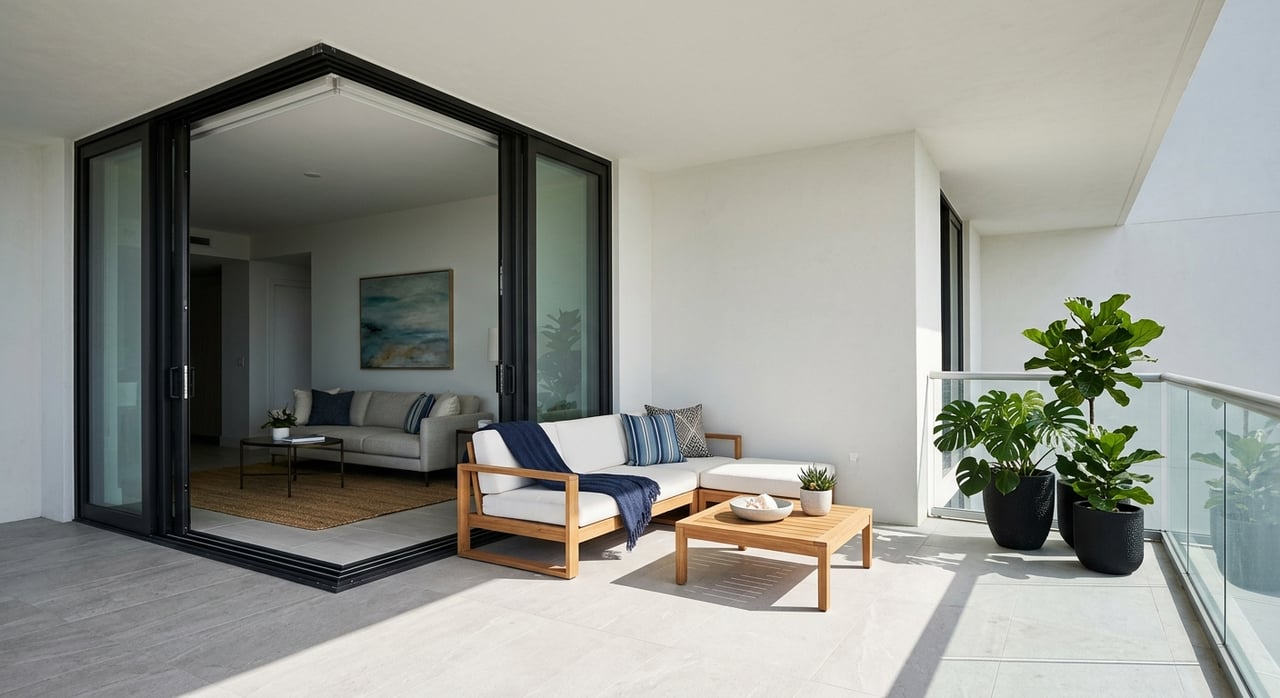
When a buyer lives out of state, visuals carry more weight. Research on staging found that photos, traditional staging, videos, and virtual tours all matter to buyers, and staging can increase the dollar value offered by 1% to 10% while also helping reduce time on market.
That is especially important if your condo is vacant. Empty rooms can feel smaller and less inviting in photos, which can hurt a remote buyer’s first impression. If you want buyers to picture a beach retreat, seasonal residence, or flexible second home, the unit needs to feel complete and easy to understand.
Your marketing should highlight the parts of the condo that support easy coastal living, but only if those features are actually present. That may include a usable balcony, water views, elevator access, dedicated parking, in-unit laundry, storage, or walkability to nearby dining and recreation.
St. Pete Beach has strong lifestyle appeal, and the city points to its beaches, parks, museums, shops, restaurants, and events as part of the local experience. Still, buyers need specifics. General beach-market language is less persuasive than a well-presented explanation of how your particular condo lives day to day.
Out-of-state buyers rarely stop at finishes and views. They often want to know how the building is run, what the association looks like financially, and whether there are upcoming costs they should factor in.
Florida law gives nondeveloper condo buyers the right to receive current copies of key documents before closing. These include the declaration, articles, bylaws and rules, annual financial statement, annual budget, and, when applicable, the milestone inspection summary and most recent structural integrity reserve study.
If you are selling to a buyer who is not local, document readiness can build trust quickly. You do not need to overwhelm people with every detail on day one, but you should be prepared to answer the questions that come up most often.
Expect buyers to ask:
When you can answer these clearly and accurately, your condo feels easier to buy. That confidence matters even more when the buyer is making decisions from hundreds of miles away.
Because St. Pete Beach is a barrier-island community, storm risk is part of the ownership conversation. The city says the area is extremely vulnerable to hurricanes and tropical storms due to low elevation and surge exposure. Out-of-state buyers often know this already, and if they do not, they will likely discover it during due diligence.
This is why it helps to treat lifestyle and risk information as part of the same story. A strong listing does not ignore practical concerns. It shows that the seller is informed, transparent, and serious.
You do not need to create fear around storm exposure, but you should be ready to share factual information about the property and building when available. Buyers may want to know about evacuation considerations, flood exposure, insurance questions, and how the building approaches maintenance and resilience.
This is also where condo association records matter. For buildings that are three stories or higher, Florida law requires milestone inspections at 30 years and every 10 years after that, and residential condo associations must complete a structural integrity reserve study every 10 years. That reserve framework covers major components like the roof, structure, fire protection, plumbing, electrical systems, waterproofing, exterior painting, and windows and exterior doors.
For a remote buyer, that information helps answer a bigger question: How well is this building being maintained over time?
Rental potential can attract out-of-state buyers, but it needs to be marketed carefully. In St. Pete Beach, rentals of one month or more are allowed in residences citywide, while short-term rentals of less than a month are only allowed in limited zoning districts and the Pass-A-Grille Overlay District.
That means you should never assume a condo can be used a certain way just because it is near the beach. Building rules, zoning, and use restrictions all matter. If your condo appeals to seasonal users or investors, the right move is to verify exactly what the declaration and rules allow.
If rental use is part of your condo’s appeal, keep the message specific and factual. Buyers will appreciate clarity much more than broad promises.
Useful points to confirm include:
This kind of transparency protects your credibility and helps attract the right buyer from the start.
Many out-of-state buyers are not just buying square footage. They are buying a use case. Some want a winter home. Some want a second residence near the water. Some want a property that supports part-time personal use with rental flexibility, where allowed.
Migration research shows many movers to the South are motivated by proximity to family and friends, value, outdoor space, and amenities. Buyers moving South were also among the most likely to be working remotely. For your condo sale, that means you should think beyond finishes alone and present the property in a way that speaks to how it functions.
The strongest condo listings often answer simple, practical questions such as:
When your listing answers these questions well, it becomes easier for a remote buyer to imagine ownership. That is what moves interest toward action.
In a market where buyers can compare condos across buildings and beach communities in minutes, polished presentation is not a luxury. It is part of the strategy. Out-of-state buyers are often making a shortlist long before they ever schedule a tour, so your condo has to look strong, read clearly, and feel credible from the first click.
That is where a thoughtful, high-touch listing approach can make a real difference. When your marketing combines strong visuals, accurate property details, local insight, and document readiness, you give buyers what they need to make a confident next move.
If you are preparing to sell a St. Pete Beach condo and want a smarter plan for reaching remote and second-home buyers, Jason White can help you position your property with the polished presentation and local guidance today’s buyers expect.
Stay up to date on the latest real estate trends.


Embark on your next real estate journey with W Real Estate Group. Contact us today and let us turn your real estate dreams into reality. With W Real Estate Group, your success is our priority. Welcome home to a future of exceptional real estate experiences!