Where Relocators Actually Settle In St. Petersburg
June 18, 2026
June 18, 2026
Thinking about a move to St. Petersburg and wondering where people actually end up? The answer is usually less about picking a single "best" neighborhood and more about matching your lifestyle to the right part of the city. If you understand how St. Pete is organized, your search gets faster, clearer, and a lot less overwhelming. Let’s dive in.
One of the smartest ways to understand St. Petersburg is to stop thinking about it as one market. For most relocators, the city breaks down into a few clear lifestyle categories: urban condos, historic close-in neighborhoods, waterfront communities, and mixed-housing areas with day-to-day flexibility.
That matters because buyers relocating here usually settle based on how they want to live, not just by map boundaries. If you first decide whether you want walkability, historic character, lower-maintenance ownership, or boating access, your shortlist gets much easier to build.
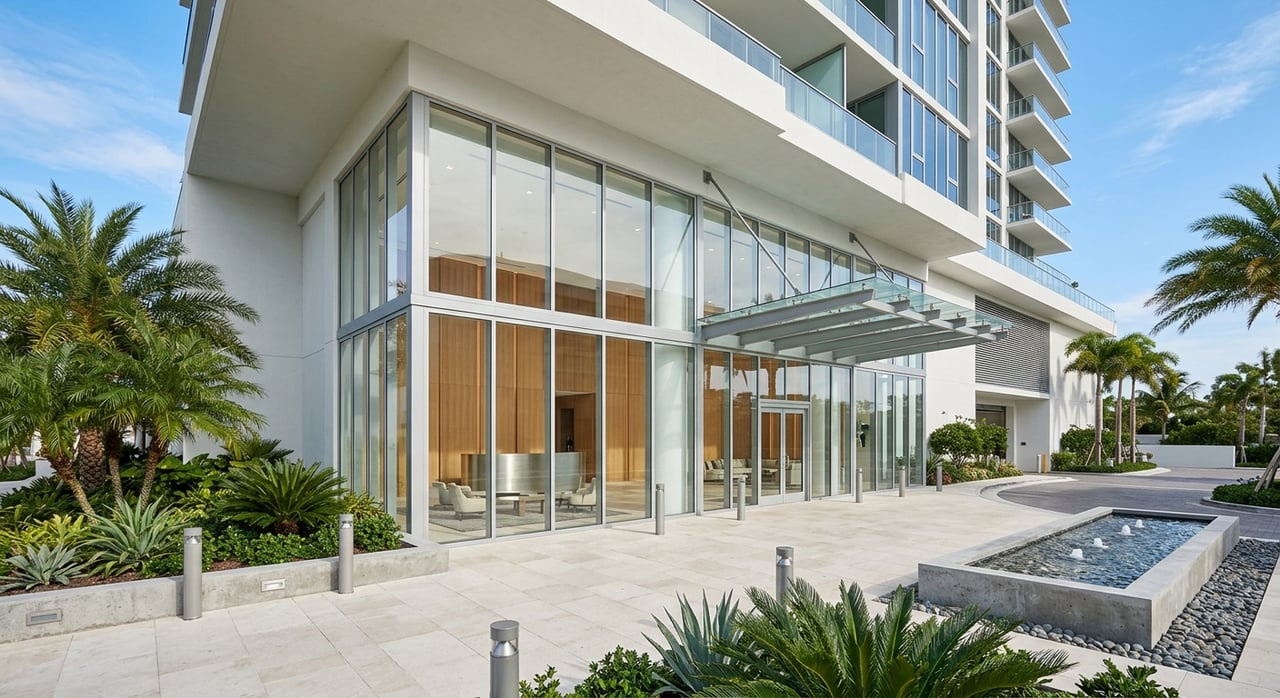
Downtown is the city’s most urban setting. It is defined by high-rise living, major museums, activity along Beach Drive and Central Avenue, waterfront parks, and a dense mix of residential and commercial spaces.
For many relocators, downtown is the most natural fit if you want a condo-first lifestyle and easy access to restaurants, arts, and everyday activity. It also continues to add large-format condo options, including 400 Central, a 301-unit luxury condo development reported as the tallest residential building on Florida’s west coast.
Downtown often works best if you want:
If your priority is convenience and energy, downtown usually stays near the top of the list.
Grand Central District sits just west of downtown and often appeals to buyers who want to stay close to the action without being in the densest part of the core. Local neighborhood descriptions point to galleries, restaurants, bars, boutique shops, cafes, and entertainment venues as defining features.
You also get access to quieter residential pockets around places like Mirror Lake and Williams Park. For relocators, this can feel like a practical middle ground between fully urban downtown living and a more residential neighborhood setting.
Grand Central is often a fit if you want:
If you picture St. Petersburg as brick streets, mature landscaping, older homes, and strong neighborhood identity, you are usually thinking about the city’s historic close-in neighborhoods. These are some of the areas that give St. Pete its distinct relocation appeal.
For buyers moving from other parts of Florida or out of state, these neighborhoods often offer a strong sense of place while still keeping downtown within easy reach.
Historic Old Northeast is one of the clearest examples of a classic St. Pete relocation neighborhood. It borders downtown and includes nearly 3,000 historic buildings, along with a mix of Mediterranean and bungalow architecture, brick streets, granite curbs, and access to North Shore Park and North Shore Beach.
This area often attracts buyers who want character and walkability but do not want to feel like they live in the middle of the urban core. Its close proximity to downtown, paired with a more residential feel, is a big reason it comes up so often in relocation searches.
Historic Kenwood is known for its bungalows, green space, brick streets, galleries, studios, and active arts identity. It has one of the most recognizable housing styles in St. Petersburg, which makes it a strong choice for buyers who want a neighborhood with a clear visual character.
For relocators, Kenwood can be appealing because it feels established and distinctive. If your goal is to find a home with personality in a neighborhood people can describe in a sentence, this is often one of the first places to tour.
Historic Roser Park offers a quieter historic option close to the urban core. The neighborhood includes 146 historic buildings, many private homes with Mediterranean or Spanish-style architecture, and the natural feature of Booker Creek running through the area.
This area can be a smart fit if you want older architecture and a greener setting without giving up city access. Buyers who are drawn to the idea of history and a less busy atmosphere often place Roser Park on their shortlist.
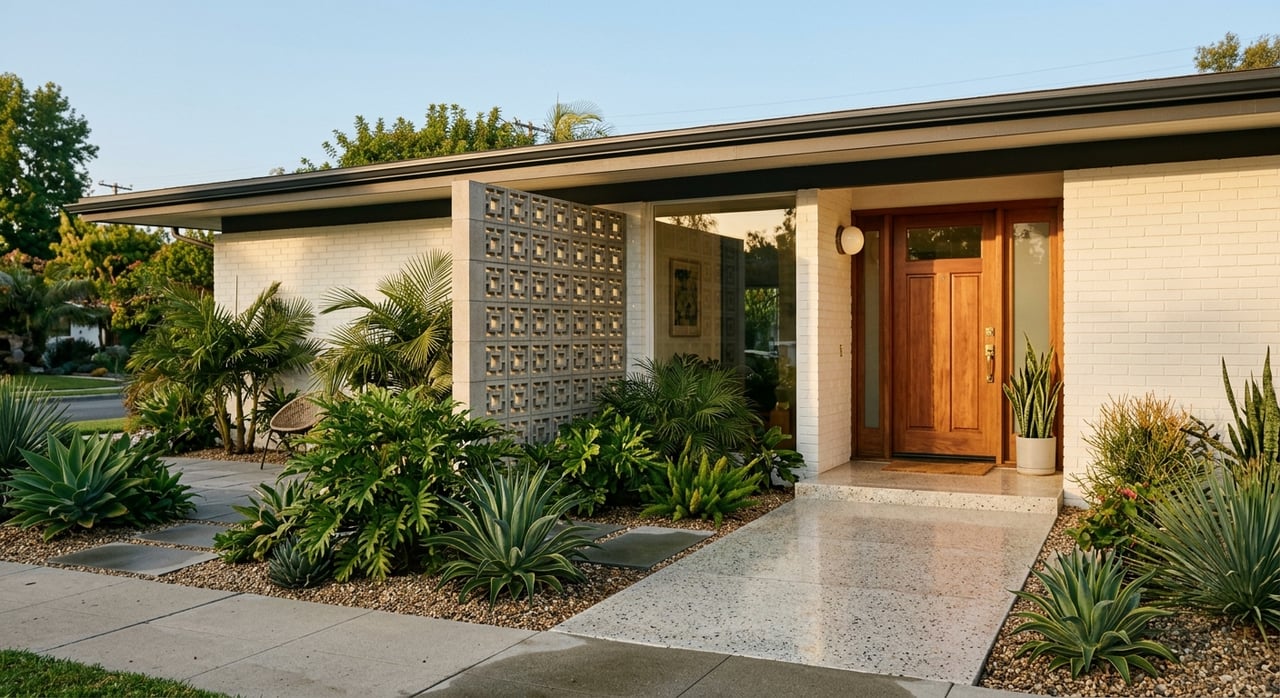
Old Southeast stands out because it combines residential calm with close-in convenience. The neighborhood association notes roughly 500 homes, mostly single-family residences, with a mix of historic, mid-century, and modern construction.
It is also less than a 20-minute walk from downtown and includes Lassing Park, hexagon block sidewalks, and bayfront views toward Tampa Bay. For relocators who want a quieter pocket near the city center, Old Southeast is one of the most practical neighborhoods to explore.
For some buyers, the move to St. Petersburg is really about water access. If boating, open views, or an island setting are part of your plan, the city has a couple of neighborhoods that repeatedly rise to the top.
These areas usually attract buyers who are optimizing for a waterfront lifestyle first and commute patterns second.
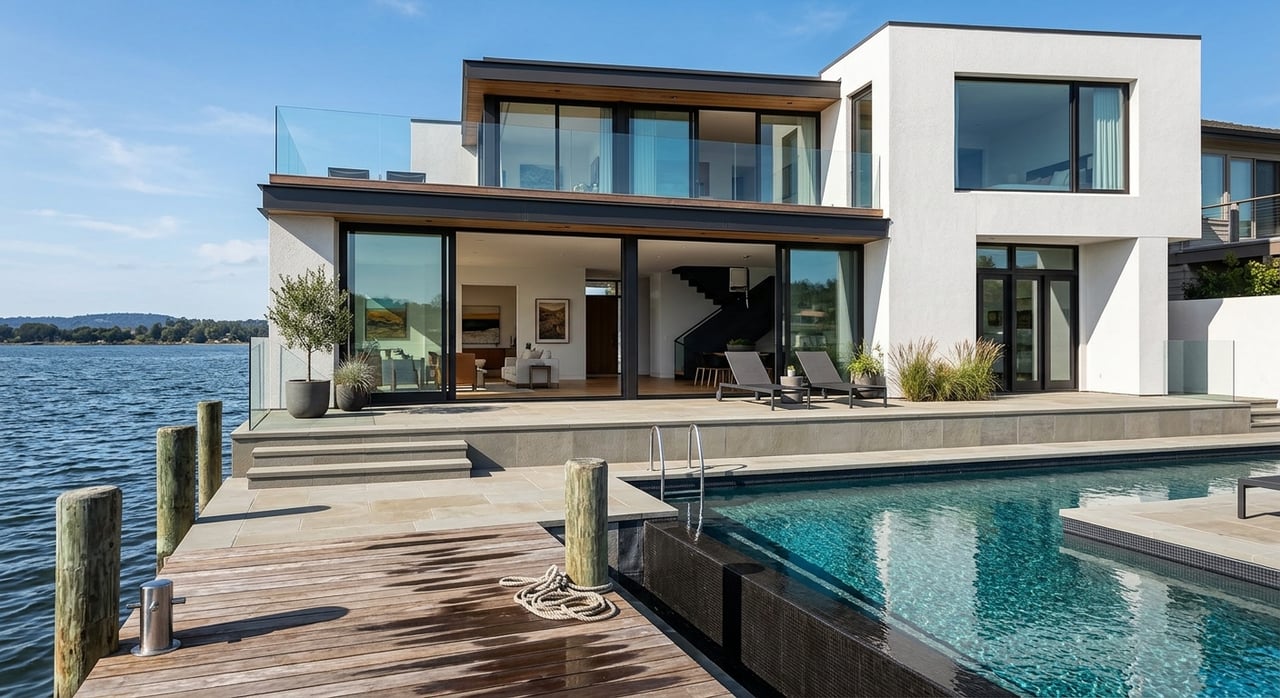
Snell Isle is one of the city’s most established waterfront neighborhoods. It was developed on a mangrove island and is centered on Snell Isle Boulevard, with frontage near Coffee Pot Bayou, Smacks Bayou, and Tampa Bay.
The neighborhood is often understood as a polished residential setting with strong waterfront identity and park and golf access. For relocators, Snell Isle usually makes sense if you want an established feel, easy downtown connection, and a home search centered on the water.
Bayway Isles is the most beach-oriented island option within this group. It consists of two islands in southwest St. Petersburg along the Pinellas Bayway to Boca Ciega Bay, and it is closely associated with open-water views, water sports, and convenient access toward St. Pete Beach.
If your move is driven by boating, causeway access, or being closer to Gulf beach destinations, Bayway Isles often belongs near the top of your search. It offers a very different feel from the historic close-in neighborhoods or downtown condo market.
Not every relocator wants a signature historic district, downtown tower, or waterfront address. Some buyers want flexibility, a broader mix of housing types, and practical access to parks, restaurants, and everyday errands.
That is where Edgemoor can make sense. Local guides describe the neighborhood as including apartments, triplexes, single-family homes, and condominiums, along with golf, parks, restaurants, and amenities at Puryear Park.
Edgemoor is useful if you want:
For buyers who are still refining priorities, this kind of flexibility can be a real advantage.
In St. Petersburg, commute logic is not always about straight-line distance. It is often about whether you want to optimize for downtown access, beach access, or cross-bay travel.
The Pinellas Suncoast Transit Authority network reinforces that pattern. Current service includes Route 38 between Gulf Boulevard and downtown St. Petersburg, Route 16 between downtown and Gateway Mall, Route 20 between downtown and south St. Pete, Route 100 between Marion Transit Center and St. Pete Pier and downtown Tampa, and the SunRunner between downtown St. Petersburg and St. Pete Beach.
For beach access, county beach facilities matter too. Pinellas County maintains major Gulf parks such as Fort De Soto, Sand Key, and Fred Howard, and also operates beach-access sites including St. Pete Beach Access with parking, restrooms, showers, boardwalks, and swimming.
In practical terms, Bayway Isles is the most beach-centered neighborhood in this group. Old Northeast and Old Southeast are better understood as close-to-downtown and bayfront recreation choices rather than direct beach-lifestyle substitutes.
If you are relocating to St. Petersburg, start by asking one question: What kind of home base do you want day to day? That answer usually matters more than trying to rank every neighborhood against every other neighborhood.
Here is a simple shortlist lens:
Once you narrow the lifestyle category, touring neighborhoods becomes much more productive. You are no longer searching all of St. Pete. You are comparing a smaller group of places that actually fit how you want to live.
St. Petersburg gives relocators more than one way to settle in, and that is part of its appeal. Whether you want a downtown condo, a bungalow on a brick street, a bayfront setting, or a beach-oriented island community, the right fit usually becomes clear once your priorities are on the table. If you want local guidance that helps you sort through the options with clarity, connect with Jason White for a more tailored look at where your St. Pete move may make the most sense.
Stay up to date on the latest real estate trends.

Embark on your next real estate journey with W Real Estate Group. Contact us today and let us turn your real estate dreams into reality. With W Real Estate Group, your success is our priority. Welcome home to a future of exceptional real estate experiences!