Downtown St Pete Car-Free Living: Best Areas to Know
June 25, 2026
June 25, 2026
If you love the idea of downtown living but not the idea of driving everywhere, Downtown St. Petersburg stands out in a big way. You may be looking for a home where coffee, dinner, waterfront walks, errands, and culture all feel close at hand instead of built around your car. The good news is that car-free or car-light living is genuinely possible in several parts of downtown, and knowing where to focus can make your search much easier. Let’s dive in.
Downtown St. Petersburg is built for movement on foot. The downtown guide describes the area as pedestrian-friendly, with waterfront parks, sidewalks lined with historic architecture, and a dense mix of shops, galleries, and attractions.
That matters because car-free living is not just about transit. It is about having enough destinations close together that your day feels easy. In Downtown St. Pete, activity is spread across several named districts rather than one single strip, which helps create compact, walkable pockets.
Some parts of downtown are a better fit than others if you want to walk, bike, or use transit most of the time. The strongest areas are the Waterfront Museum District, Central Arts District, EDGE District, Grand Central District, and Warehouse Arts District.
This area sits between Beach Drive and 3rd Street, from 7th Avenue South to 7th Avenue North, and it is specifically described as walkable. If you want quick access to the waterfront, museums, Beach Drive, and the Pier, this is one of the most practical home bases.
The setting also supports an everyday routine that feels active and scenic. The St. Pete Pier is a 26-acre waterfront destination designed for strolling, biking, dining, shopping, swimming, and concerts, while Beach Drive is known as a strollable boulevard with waterfront dining.
The Central Arts District runs along Central Avenue from 3rd to 7th streets. It combines murals, boutiques, coffee spots, nightlife, and restaurants, and it is described as easy to get around on foot.
For many buyers, this district offers the sweet spot between energy and convenience. You can be close to daily amenities while also having good access to the trolley, rideshare, bikes, and scooters.
The EDGE District is also described as walkable and has access to bikes, scooters, and trolley service. If you want an urban feel with flexible transportation options, this area deserves a close look.
It can work especially well if you plan to keep one car instead of none. You get strong mobility options for daily outings without depending on driving for every short trip.
Grand Central is described as pedestrian- and bicycle-friendly. It is home to restaurants, bars, antique retailers, art galleries, health and wellness providers, shops, and professional services.
That mix is important for a park-once lifestyle. You are not just near entertainment. You are near the kinds of places that support regular routines and errands.
The Warehouse Arts District is easy to explore by bike and connects well to the Pinellas Trail. The area includes studios, galleries, breweries, and event spaces, which adds another layer of variety for buyers who want an active, creative downtown environment.
If biking is part of your lifestyle, this district becomes especially appealing. The Fred Marquis Pinellas Trail is a protected multi-use corridor that runs from St. Petersburg to Tarpon Springs.
Walkability is the foundation, but transit is what makes a car-light setup more realistic over the long run. Downtown St. Pete has a layered mobility network that supports a park-once routine.
The Downtown Looper is free, runs every 15 to 20 minutes, and operates seven days a week. It connects major cultural attractions, dining, shopping, healthcare, and education stops including the Dalí Museum, Museum of Fine Arts, the James Museum, the Pier, Saturday Morning Market, Johns Hopkins All Children’s Hospital, USF St. Petersburg, and Bayfront Health.
For buyers choosing a condo or apartment, being near Looper access can make a noticeable difference in daily convenience. It gives you another option for getting around without moving your car.
The Central Avenue Trolley is also free and runs every 20 minutes between the St. Pete Pier and Grand Central Station. That route helps connect several of the downtown districts that tend to work best for car-light living.
In practice, it makes a wider stretch of downtown feel more connected. You can enjoy different parts of the area without planning every outing around parking.
The SunRunner provides bus rapid transit between downtown St. Petersburg and St. Pete Beach. It runs every 15 minutes, with about a 35-minute end-to-end travel time.
This is a major advantage if you want downtown living and beach access without two-car dependence. It gives you a realistic way to enjoy the coast, dining, and outings while driving less.
Car-free living usually works best when you have more than one backup option. Downtown St. Pete checks that box.
The downtown guide notes that there are 300 e-bikes across more than 30 Lime locations around downtown and connecting districts. It also lists more than 850 e-scooters at over 100 parking corrals from the waterfront to the Deuces.
That kind of micromobility network can turn a longer walk into a quick ride. It also makes it easier to connect between districts when the weather is warm or your schedule is tight.
Rideshare is another useful layer. Uber and Lyft both list service coverage in St. Petersburg, which can help with late-night outings, airport runs, or trips when you simply do not want to drive.
A neighborhood can feel fun on a weekend and still fall short for real daily living. What makes Downtown St. Pete different is the range of amenities that support a full routine.
The downtown directory includes museums and galleries, attractions, specialty shops, restaurants and nightlife, professional services, and parks. That is a strong sign that downtown functions as a true urban center rather than a single-purpose entertainment area.
The Waterfront Museum District is especially strong if arts and culture are part of your lifestyle. It includes the Dalí Museum, the Museum of Fine Arts, the James Museum, the Museum of American Arts and Crafts Movement, the St. Petersburg Museum of History, and the Florida Holocaust Museum nearby.
You also have the Saturday Morning Market at Al Lang Stadium from October to May, with the market moving to Williams Park during the warmer months. For many buyers, that kind of regular event adds to the appeal of living downtown without relying on a car.
For day-to-day convenience, the Central Arts District and Grand Central District stand out. These areas combine dining, shops, coffee, wellness-related businesses, and professional services in ways that can support a more walkable routine.
That does not mean every errand will happen on foot. It means more of your life can happen close to home, which is the real value of car-light living.
Choosing the right building matters just as much as choosing the right district. If your goal is car-free or car-light living, the most practical home base is usually a building within easy walking distance of the Downtown Looper and the Central Avenue Trolley.
The strongest park-once pockets are generally the Waterfront Museum District and Beach Drive area, Central Arts District, EDGE District, and the Grand Central corridor. Those areas combine strong transit access with a high concentration of daily amenities.
When you start comparing properties, keep an eye on the details that can make the lifestyle easier:
Higher-density condos, apartments, and mixed-use residential buildings often make the best fit. If you are keeping one vehicle, deeded parking or convenient garage access can make a big difference.
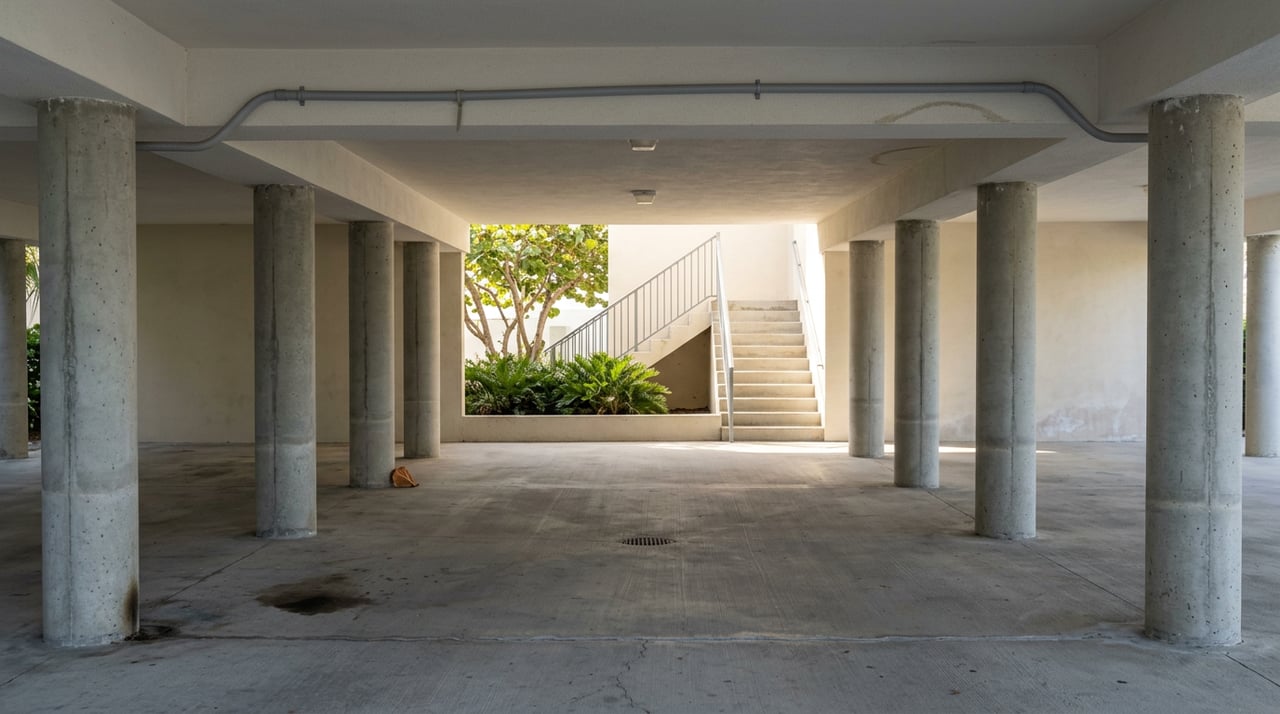
Even if you want to drive less, parking should still be part of your search. Downtown St. Petersburg has abundant parking overall, with more than 25,000 off-street spaces and about 6,500 on-street spaces in the greater downtown area.
Still, many curb spaces are metered or time-limited. That is why a building with private parking can make a car-light setup much smoother than relying on street parking alone.
If you want suburban driveway life, Downtown St. Pete may not be the right fit. But if you want arts, waterfront access, dining, and strong beach connectivity in a place where walking, biking, and trolley use feel realistic, downtown offers one of the better car-light lifestyles in Tampa Bay.
The key is matching your building and block to the way you actually live. With the right location, you may find that your car becomes a backup plan instead of a daily necessity.
If you are thinking about buying in Downtown St. Pete and want help narrowing down the best park-once pockets, Jason White can help you compare buildings, districts, and lifestyle fit with a local perspective.
Stay up to date on the latest real estate trends.
Embark on your next real estate journey with W Real Estate Group. Contact us today and let us turn your real estate dreams into reality. With W Real Estate Group, your success is our priority. Welcome home to a future of exceptional real estate experiences!