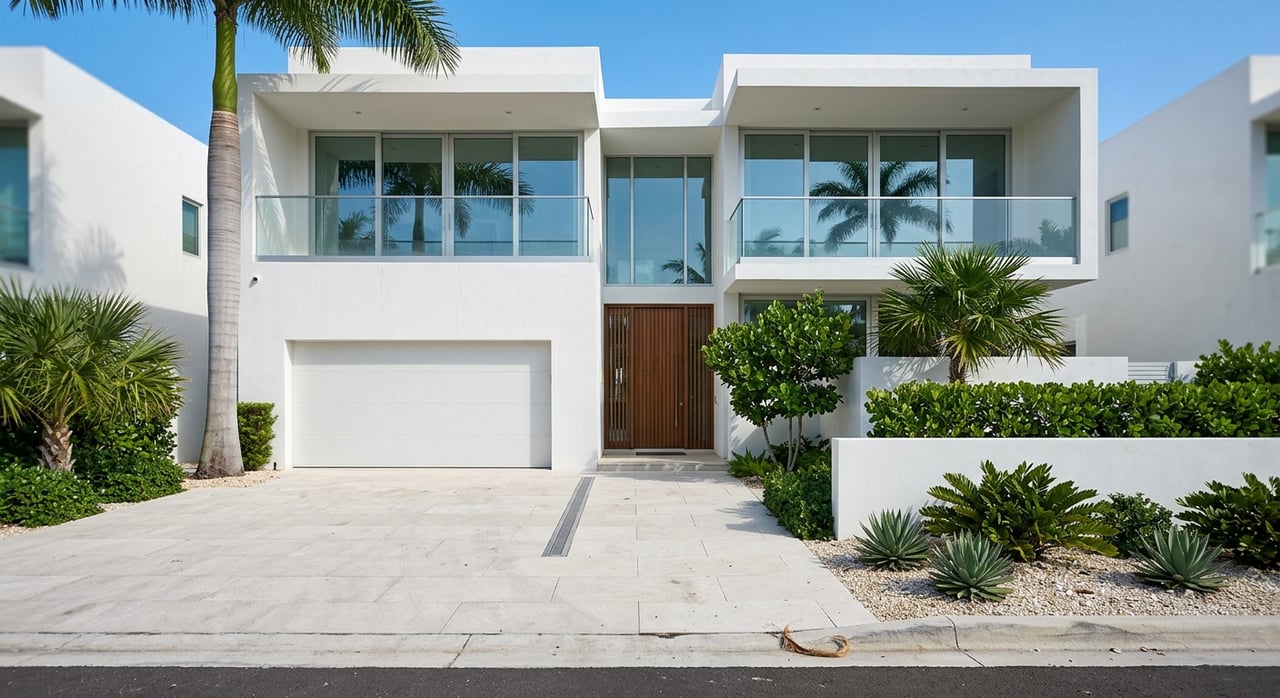
Relocating to St Petersburg FL: Your Step-by-Step Plan
May 7, 2026
May 7, 2026
Thinking about moving to St. Petersburg? It sounds simple until you realize one city can offer a downtown condo lifestyle, a mainland single-family home, or a beach-area property, all with very different price points, timelines, and due diligence needs. If you want your move to feel organized instead of overwhelming, a clear plan can help you research smarter, tour with purpose, and buy with confidence. Let’s break it down step by step.
St. Petersburg is not a one-size-fits-all market. The city had an estimated population of 267,102 as of July 1, 2024, and its housing options reflect that scale, from dense downtown condo buildings to established residential areas and nearby beach communities.
For many relocation buyers, the first mistake is searching the whole city with one budget and one wish list. In St. Pete, your day-to-day experience can look very different depending on whether you want walkability, a shorter drive to the water, or a more traditional neighborhood setting.
Downtown St. Petersburg includes eight districts, such as the Waterfront Museum District, St. Pete Pier District, Central Arts District, Grand Central District, Deuces Live District, the EDGE District, MLK North District, and the Warehouse Arts District. This area is known for arts, shopping, food, and drink, which makes it a strong fit if you want an active, urban feel.
If you picture walking to restaurants, events, and waterfront spots, downtown may be your starting point. It is also one of the clearest examples of why condo review and budget planning matter in this market.
Mainland areas can offer a different pace and a different home search. If you want more separation between home styles, lot sizes, and neighborhood settings, these areas may give you more flexibility than a downtown-only search.
This is where relocation buyers often find they need to reset expectations in a good way. A mainland search may open up options that feel more aligned with your space needs, parking preferences, or monthly payment goals.
If your move is all about coastal lifestyle, beach-area communities deserve their own search strategy. St. Pete Beach is about 12 miles west of downtown St. Pete, and Pass-a-Grille at the south end is known for a small downtown area and four miles of shoreline.
A beach search can feel exciting, but it also comes with different practical questions. You will want to think through traffic patterns, parking, insurance costs, and the realities of living in a coastal environment before you narrow in on a specific area.
One of the most useful things you can do before relocating is separate your budget by submarket. As of March 2026, the median sale price in St. Petersburg was reported at $499,900, with homes averaging about 52 days on market and a sale-to-list ratio of 96.6%.
That citywide number only tells part of the story. In the same period, median sale prices were reported around $1.58 million in Downtown St. Petersburg, $599,000 in St. Pete Beach, and $679,200 in Treasure Island.
That spread matters. A downtown condo, a beach-adjacent property, and a mainland home can function like very different markets, so your relocation plan should account for that from day one.
Your first step should be research, not random showings. Compare downtown, mainland, and beach-adjacent areas using current pricing, flood maps, transit options, and any location-specific priorities that matter to your move.
This is also the time to think about your daily routine. If you hope to cut down on driving, local transit can be part of the decision, not just a bonus.
PSTA says the SunRunner connects downtown St. Petersburg, Central Avenue, Pasadena, and St. Pete Beach in about 35 minutes, with 15-minute daytime service. Pinellas County also notes that the Pinellas Trail runs from St. Petersburg to Tarpon Springs.
If walkability or car-light living is part of your relocation goal, these tools can help you test what is realistic. A home that looks great online may feel very different once you map out errands, commuting, and weekend routines.
If your move includes school-age children, start that planning early. Pinellas County Schools uses an address-based School Zone Locator, and families who have recently moved into the county must complete the district registration process.
That does not mean you need every answer before you buy. It does mean your property search should stay aligned with the address-based systems that affect daily logistics after closing.
If you are moving from out of area, your first visit should do more than check boxes on a list of showings. Use it to test lifestyle fit in real time.
Spend time downtown during lunch or dinner. Visit beach areas when parking is busiest. Ride the SunRunner corridor if that route might shape your routine.
A smart relocation trip helps you experience noise levels, traffic flow, parking challenges, and how connected an area feels. These details often influence your decision just as much as square footage or finishes.
Pass-a-Grille can be especially useful for this kind of visit. Weekday parking can be easier, while weekends may show you a more demanding version of beach-area access.
Once you understand which parts of St. Pete fit your lifestyle, virtual tours can save time and keep your move efficient. For out-of-area buyers, live video tours are especially helpful for narrowing down homes before you book another trip or prepare an offer.
But in coastal Florida, virtual convenience should always be paired with deeper verification. The expensive parts of ownership are not always obvious from listing photos.
In Pinellas County, flood due diligence is essential. The county says everyone lives in a flood zone, and flood zones are different from evacuation zones.
You should check flood maps, storm surge maps, and evacuation maps before you buy. The county also notes that most homeowners insurance policies do not cover flood damage and that flood insurance is usually purchased separately.
A property that fits your purchase budget may still stretch your monthly housing costs once insurance and flood coverage are added. That is why relocation buyers should ask for realistic carrying-cost estimates early in the process.
This step matters even more near the water. It helps you compare homes based on actual ownership cost, not just list price.
If you are considering a condo, document review is a major part of due diligence. Under Florida law, residential condominium buildings that are three habitable stories or higher must have structural integrity reserve studies at least every 10 years.
That makes association review especially important in downtown and beach markets, where condo living is common. You want to understand budgets, reserves, and any potential financial obligations before you move forward.
Not every St. Petersburg property should be approached the same way. Premium downtown and waterfront listings may move differently than mainland homes, so your offer strategy should reflect the specific segment you are shopping in.
Get preapproved early and decide on your maximum monthly payment before you begin making offers. It also helps to decide in advance which contingencies are essential for your situation.
This kind of preparation reduces stress when the right property appears. It also helps you move quickly without losing sight of your non-negotiables.
Once you are under contract, relocation planning becomes a logistics exercise. Your closing timeline should work with your job move, household schedule, and post-closing setup.
This is the stage where organization really pays off. The smoother your checklist, the easier it is to settle in without missing key deadlines.
The City of St. Petersburg offers an online utility billing portal, which can help streamline your setup. It is smart to line up utilities, mail forwarding, and address updates as early as possible once your timeline is firm.
Small tasks can create big stress if they pile up at the end. A simple move calendar can keep everything manageable.
If the home will be your permanent Florida residence, homestead timing matters. The Pinellas County Property Appraiser says homestead applies to a Florida resident’s permanent home on January 1, and applications are due by March 1 for that tax year.
The county also states that the first $25,000 of assessed value is fully exempt. After a property has been homesteaded for a year, the Save Our Homes cap can limit annual assessed-value growth to 3% or inflation, whichever is lower.
Relocating to St. Petersburg works best when you treat the move as a sequence, not a scramble. First, identify which lifestyle zone fits you best. Then verify flood risk, insurance, condo details, taxes, and practical daily logistics before you finalize your offer.
That approach gives you a clearer picture of what living here will really feel like, not just what looks appealing on a listing alert. If you want local guidance that is thoughtful, organized, and tailored to your goals, Jason White can help you build a relocation plan that fits the way you want to live.
Stay up to date on the latest real estate trends.
Embark on your next real estate journey with W Real Estate Group. Contact us today and let us turn your real estate dreams into reality. With W Real Estate Group, your success is our priority. Welcome home to a future of exceptional real estate experiences!