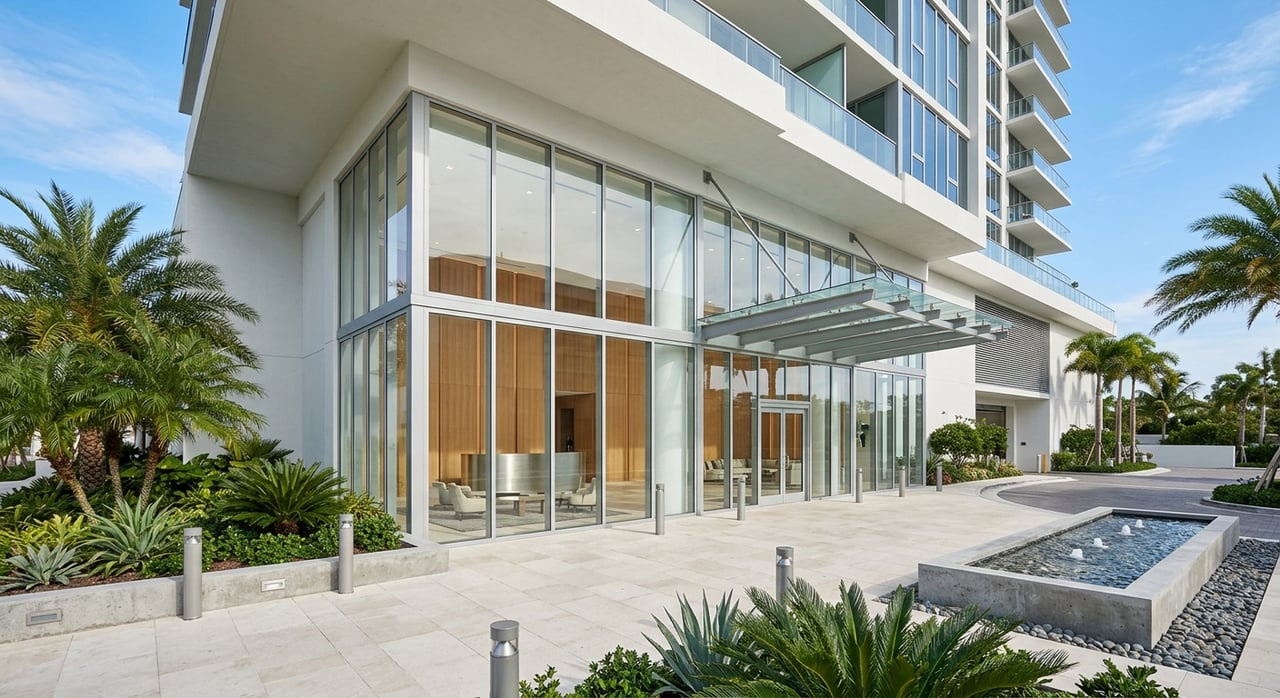
How Downtown St Pete Preconstruction Condos Work
April 23, 2026
April 23, 2026
Buying a condo before it is built can feel exciting and a little intimidating at the same time. In Downtown St. Pete, where new luxury towers continue to open and more projects stay in the pipeline, you are often deciding between a brand-new residence and a resale condo that is ready now. If you are wondering how pre-construction condos actually work, what your deposit means, and where the real risks and opportunities are, this guide will walk you through it. Let’s dive in.
Downtown St. Petersburg is not a bargain condo market. It is a walkable, premium urban submarket where Redfin currently shows a median condo listing price of about $1.45 million, a Walk Score of 91, and roughly 14,582 jobs in the neighborhood.
That setting helps explain why pre-construction gets so much attention here. Buyers are not just shopping for square footage. They are often comparing lifestyle, building design, amenities, newer systems, and how soon they want to move.
Downtown also has an active pipeline of recently opened and proposed condo towers. Local reporting notes that The Nolen opened in July 2025, Castille Urbana opened in February 2025, and the Residences at 400 Central began welcoming residents in late 2025, while additional projects such as the revised Roche Bobois Residences plan continue to shape the conversation.
A pre-construction condo is a unit you agree to buy before the building is fully completed. In many cases, you are purchasing from floor plans, renderings, finish packages, and developer disclosures instead of walking through the exact home you will own.
In Downtown St. Pete, that often means a newer, amenity-rich high-rise product with contemporary design and an urban luxury feel. By contrast, resale condos may compete on immediate occupancy, known building history, and the ability to see exactly what you are buying before you close.
In Florida, the reservation stage is legally separate from the purchase contract. If a developer accepts a reservation deposit, the funds must go into escrow, and you can demand an immediate full refund in writing before you sign the purchase agreement, according to Florida Statute 718.202.
That distinction matters. A reservation can help you hold a place in line, but it is not the same as being fully bound under the condo purchase contract.
For residential condominiums with more than 20 units, the developer must prepare and file a prospectus or offering circular before entering into an enforceable purchase contract. The buyer must receive a copy of that package, along with the required FAQ page and financial information, under Florida condo law.
This is one of the most important stages in the process. Marketing materials can be helpful, but the real terms of your purchase live in the contract and disclosure documents.
Florida gives new condo buyers a statutory review period. After you receive the required documents, the contract is voidable for 15 days, and the developer cannot close earlier unless you agree in writing, according to Florida Statute 718.503.
That review window is your chance to slow down and inspect the details. It is where you move from the excitement of the sales gallery to the practical reality of what you are actually agreeing to buy.
Under Florida law, if construction is not substantially complete, the developer must escrow all payments up to 10% of the sale price. Amounts above 10% must be held in a special escrow account and may be used for construction only if the contract specifically allows it and includes the required legend, as explained in Florida Statute 718.202.
This is why your deposit schedule is not just a payment plan. It is a legal and risk issue that deserves careful review before you sign.
If you properly terminate, escrowed funds are returned with interest. If the buyer defaults, those funds go to the developer. The same statute says that failure to follow these escrow rules can make the contract voidable by the buyer.
In plain English, where the money goes, how it is held, and when it may be released are critical questions. You should understand those answers clearly before moving forward.
Every buyer wants to know one thing: When can I move in? In pre-construction, that answer is rarely as simple as a projected season or year.
Florida requires the prospectus to state the estimated latest date of completion. The law also defines completion of construction as the issuance of a certificate of occupancy or equivalent governmental authorization, as outlined in Florida Statute 718.503.
That means your timeline should be measured by the contract and the legal documents, not just by a sales presentation. Delays, changes in delivery timing, and phased completion are some of the biggest practical risks in pre-construction purchases.
With a pre-construction condo, financing is not only about your income and credit. The building itself may also need to meet lender standards.
Fannie Mae’s condo requirements for new and newly converted Florida projects say the project must go through its PERS review process, be substantially complete with a certificate of occupancy, have enough units conveyed or under contract to principal-residence or second-home buyers, and allow immediate occupancy at loan closing.
This is one reason early planning matters. A unit you love can still face financing hurdles if the project has not reached the right stage or approval status.
Upgrade choices are more than a fun design exercise. Fannie Mae notes that certain buyer selections, such as appliances, floor coverings, countertops, and light fixtures, do not have to be installed for underwriting, but floor-plan modifications must be complete.
That makes selection deadlines worth taking seriously. You will want to know what is included in the base price, when choices lock, how change orders are priced, and whether any design decisions could affect appraisal or loan timing.
The appeal of pre-construction is easy to understand. You may get newer systems, contemporary amenities, current building design, and the chance to personalize your unit before closing.
In a market like Downtown St. Pete, where recent tower openings continue to attract attention, that fresh start can be a major draw. For many buyers, the reward is choice, newer finishes, and a modern urban lifestyle.
Resale condos offer something pre-construction cannot: immediate visibility. You can typically see the actual unit, review the existing building in real time, and close on a home that is already complete.
That said, resale due diligence in Florida has become more involved. For resale contracts entered after December 31, 2024, the state requires specific disclosures related to milestone inspections, turnover inspection reports, and structural integrity reserve studies when applicable under Florida Statute 718.503.
DBPR guidance also notes that milestone inspections apply to certain condo buildings that are three or more habitable stories once they reach the applicable age threshold. If a structural integrity reserve study shows insufficient funding, associations may need special assessments or loans.
So the tradeoff is not simply “new equals easy” and “resale equals risky.” New projects carry construction and delivery risk, while older buildings may require deeper document review and closer attention to reserves, inspections, and future costs.
If you are comparing a Downtown St. Pete pre-construction condo, these are some of the most useful questions to ask:
These questions help separate polished marketing from the actual contract terms. They also help you compare projects in a more disciplined way.
In Downtown St. Pete, pre-construction can be a strong fit if you value newer design, amenities, and the chance to shape your finishes before closing. It can also be a smart option if you are comfortable with a longer timeline and understand that delivery dates, financing, and project details need careful review.
The key is not to treat pre-construction like a typical resale purchase. You are buying into a timeline, a document package, a deposit structure, and a future building that may still be evolving. The more clearly you understand those moving parts, the more confident your decision can be.
If you are weighing pre-construction against resale in Downtown St. Petersburg, working with a local team that understands both the neighborhood and the contract details can help you compare options with less guesswork. If you want clear guidance on downtown condo opportunities, connect with Jason White for a hands-on, informed approach.
Stay up to date on the latest real estate trends.


Embark on your next real estate journey with W Real Estate Group. Contact us today and let us turn your real estate dreams into reality. With W Real Estate Group, your success is our priority. Welcome home to a future of exceptional real estate experiences!