Historic Park Street’s Charm: Architecture, Parks, And Waterfront
March 24, 2026
March 24, 2026
What if your morning walk started on a brick street under a canopy of oaks and ended at a waterfront park with Tampa Bay spread out in front of you? If that picture speaks to you, Historic Park Street in St. Petersburg deserves a closer look. Here you get timeless architecture, daily access to bayfront greens, and a short hop to downtown cafés and culture. In this guide, you’ll learn how the corridor is laid out, what homes and lots look like, where to play outside, and the key checks to run before you buy. Let’s dive in.
Historic Park Street is a named corridor within the city’s neighborhood fabric, running north to south through the historic districts just northeast of downtown St. Pete. City mapping layers list it alongside other core neighborhoods, which helps explain why the area feels distinct and well known to locals. You can see this label in the city’s neighborhood datasets on the Simplemaps St. Petersburg neighborhood map.
This corridor overlaps or sits close to Historic Old Northeast and the North Shore waterfront, placing you near Coffee Pot Bayou, Vinoy Park, and Beach Drive. That location puts downtown dining, museums, and the Pier within an easy stroll, bike, or golf-cart ride. Neighborhood materials describe the edge-of-downtown setting with ready access to parks and water as a defining trait.
The Park Street experience is all about a classic streetscape and an easy rhythm of daily walks. In and around Old Northeast, you’ll find mature oak and palm canopy, brick-paved streets, granite curbs, and hex-block sidewalks that create a park-like feel. The neighborhood association documents these features as part of the area’s identity. Explore the Historic Old Northeast Neighborhood Association overview for a sense of the preservation culture and streetscape priorities.
Front porches, short blocks, and continuous sidewalks make it simple to get outside. Many residents regularly walk to waterfront paths, nearby parks, and local cafés. The pedestrian scale encourages a porch-to-porch social scene that feels relaxed and connected.
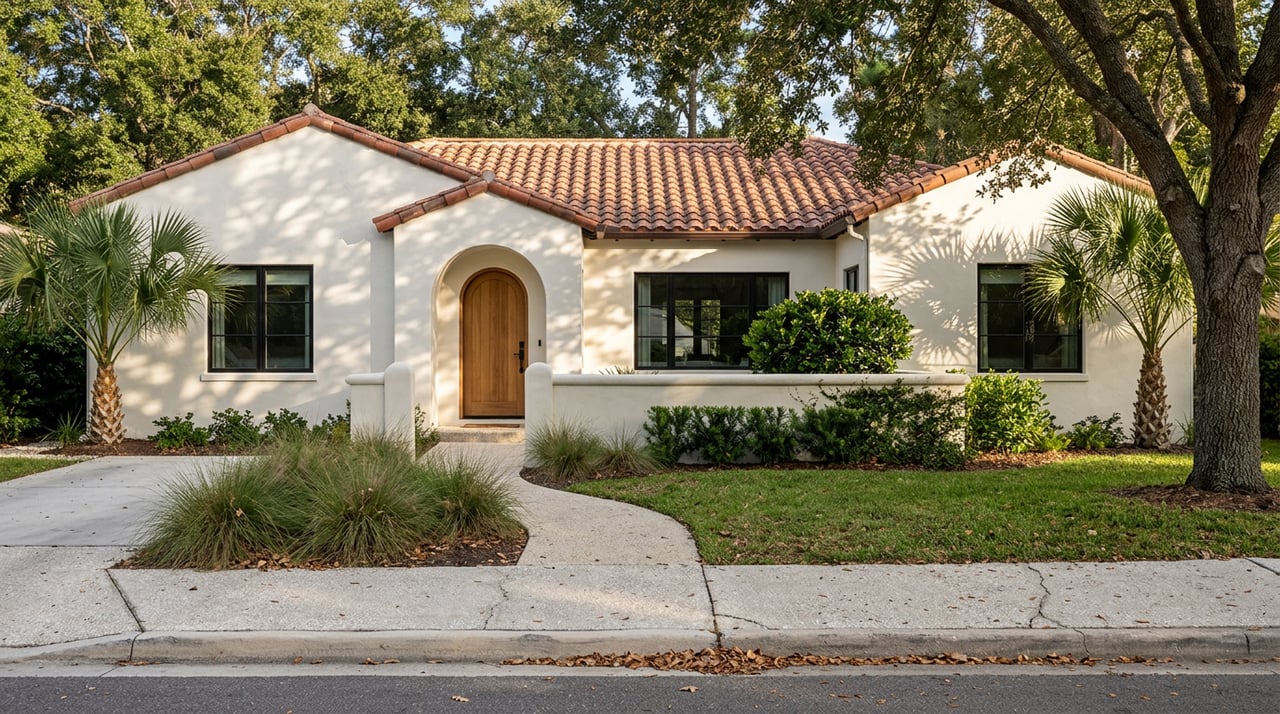
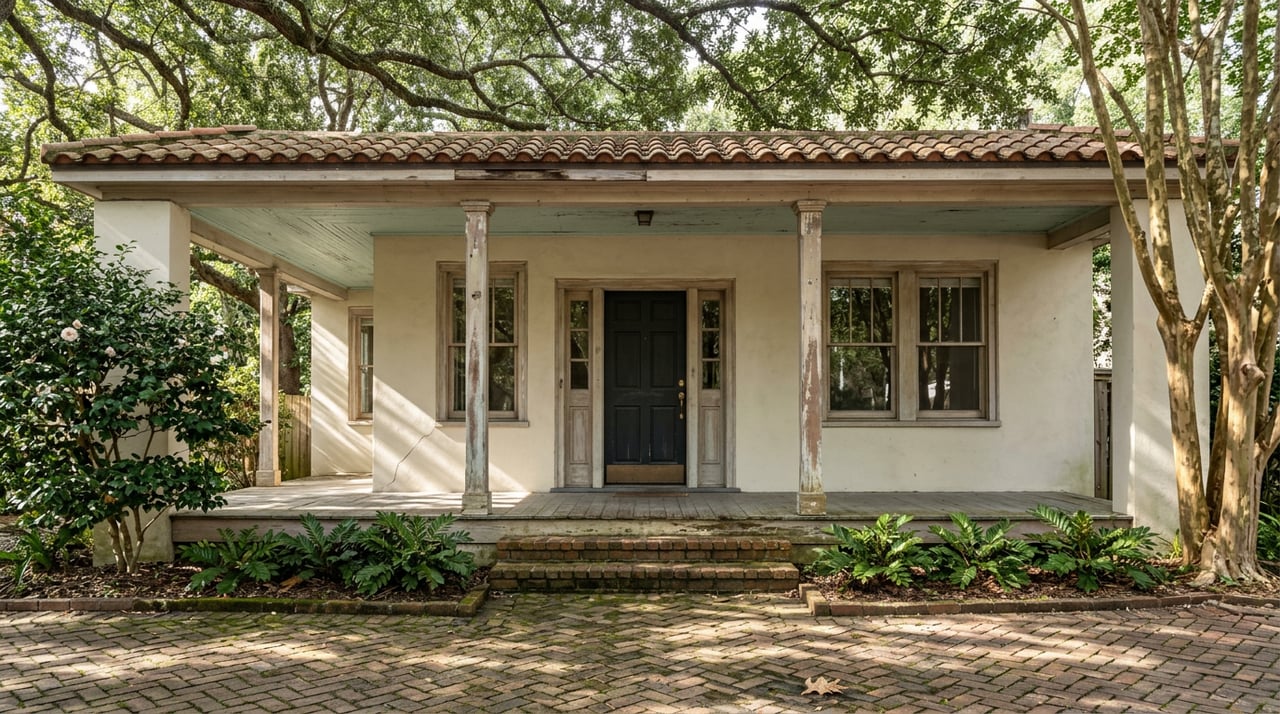
Early 20th-century styles set the tone along the corridor. You will see Craftsman bungalows and Mediterranean or Spanish Revival homes, with Colonial and Traditional variations mixed in. Scattered mid-century modern examples add contrast, and on or near the water you will find larger estates from the 1920s boom era as well as tasteful infill.
Lot sizes and home types vary block to block. Interior streets often feature small to mid-sized bungalows on city lots, while garden-district pockets show off larger Mediterranean and Classical Revival houses. Closer to Coffee Pot Bayou and North Shore, expect deeper parcels and occasional estate-scale properties with private docks.
A standout example on the corridor is the Maurice and Thelma Rothman House at 1018 Park Street North, a National Register–listed mid-century modern design by Martin P. Fishback, Jr. The home underscores the area’s architectural range and pedigree. You can read more about it on the Rothman House entry.
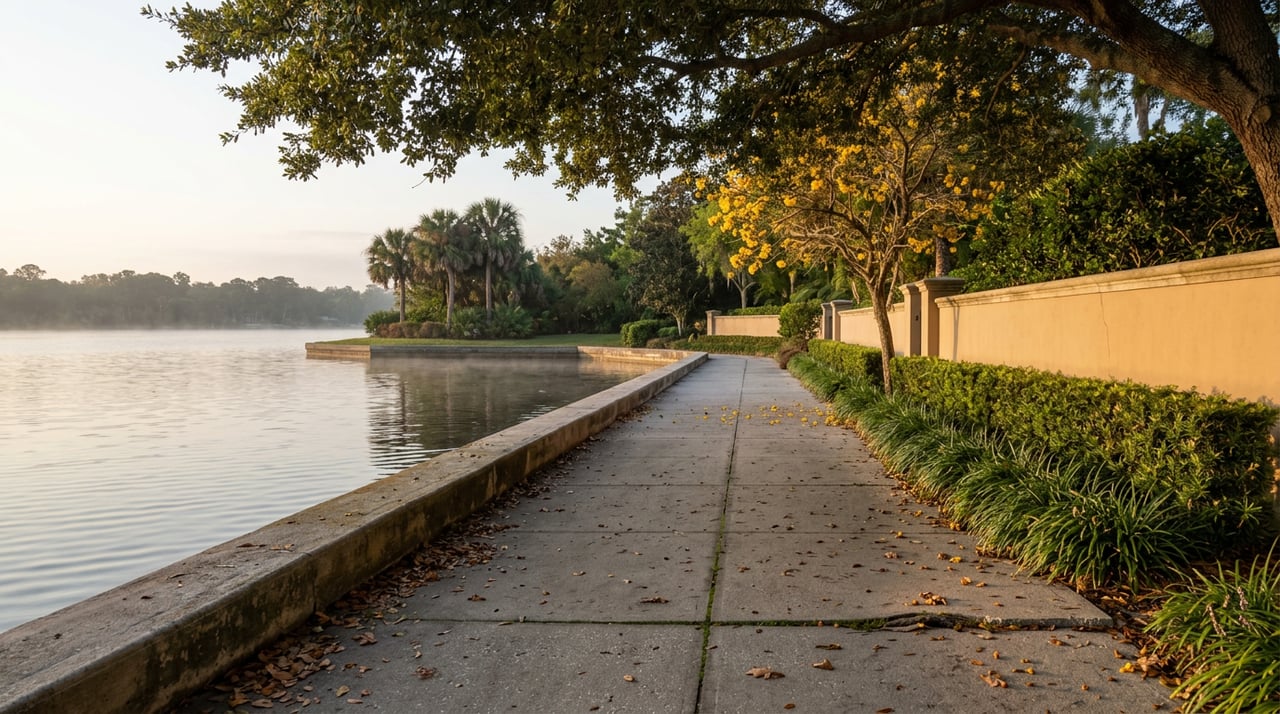
One of the biggest draws is the continuous waterfront greenbelt that links Coffee Pot Bayou to Vinoy Park. North Shore Park sits at the center of this stretch and offers a small public beach, sports courts and fields, playground areas, and the Gizella Kopsick Palm Arboretum. It is a daily destination for walking, biking, kayaking, volleyball, and dog-walking. See the amenity list on the North Shore Park profile.
Coffee Pot Bayou provides sheltered water and a more intimate experience with docks, small launch spots, and seasonal wildlife viewing. If you love paddlecraft or casual boating, the bayou’s access points are a practical plus.
Vinoy Park, just down the waterfront path, hosts larger festivals and community events that keep weekends lively and convenient. For a feel of the year’s programming cadence, browse the tourism board’s events and festivals highlights.
Understanding lot geometry will help you evaluate options and plan renovations.
These patterns influence parking, setback options, and where additions make the most sense. They also shape value, since a dock, larger lot, or alley access can materially change how you live in the home.
A focused due diligence process will save you time and surprises. Use this checklist to guide your conversations with your agent and inspectors.
If you value a street-level lifestyle where you can wave to neighbors from the porch and head to the water in minutes, Park Street will feel like home. Runners, walkers, and cyclists enjoy the continuous waterfront path most days of the week. Architecture fans appreciate the mix of bungalows, Mediterranean Revival, and mid-century design. If you also want quick access to downtown dining, arts, and events, the location checks that box too.
When you are ready to tour homes or sort through renovation and flood-zone questions, connect with a local team that combines neighborhood storytelling with investor-grade detail. At W Real Estate Group, you get boutique, owner-led service and deep St. Pete expertise to help you buy with confidence. Reach out to Jason White to start your search, request off-market insights, or Get Your Home Valuation.
Stay up to date on the latest real estate trends.
Embark on your next real estate journey with W Real Estate Group. Contact us today and let us turn your real estate dreams into reality. With W Real Estate Group, your success is our priority. Welcome home to a future of exceptional real estate experiences!