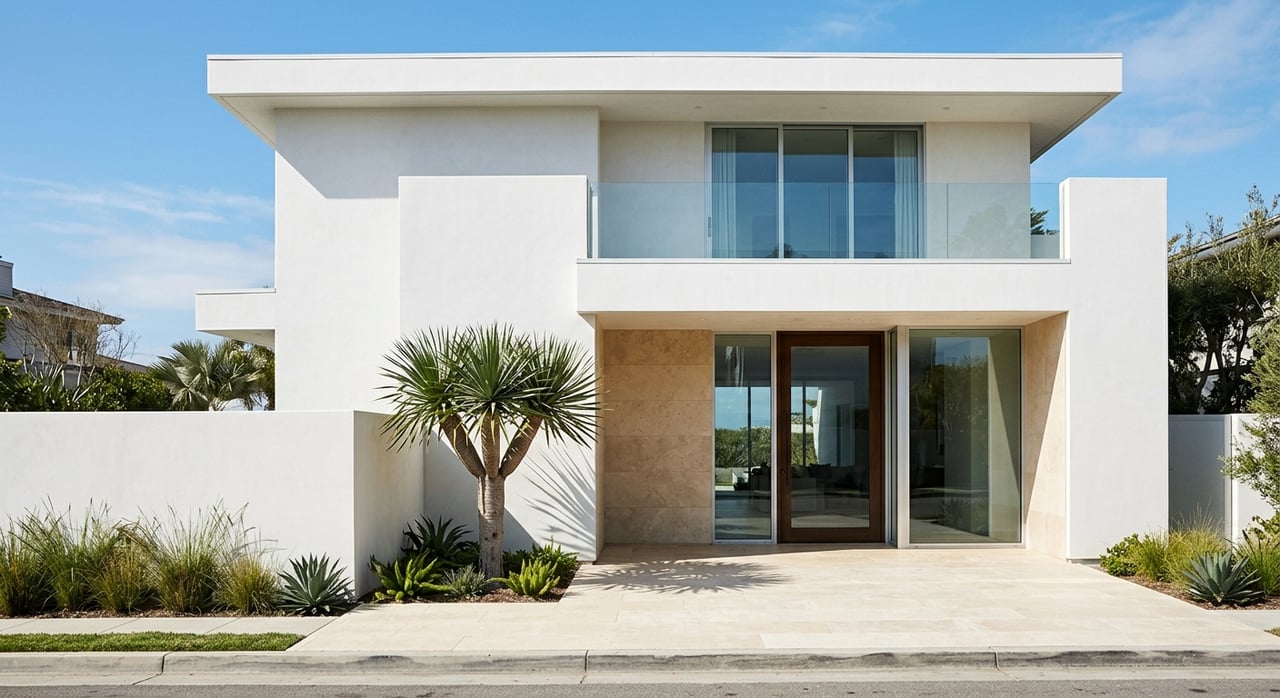
Treasure Island Or St. Pete Beach? Comparing Beach Town Living
April 2, 2026
April 2, 2026
Trying to choose between Treasure Island and St. Pete Beach? It is a smart question, because while these two Pinellas beach towns sit close to each other, they can feel very different once you picture your daily life there. If you are deciding where to buy, invest, or relocate, understanding the differences in price, walkability, housing character, and lifestyle can help you narrow the fit. Let’s dive in.
At a high level, Treasure Island is the smaller community. According to the U.S. Census Bureau QuickFacts data for Treasure Island and St. Pete Beach, Treasure Island has 6,524 residents and 1.55 square miles of land, while St. Pete Beach has 8,730 residents and 2.13 square miles.
Both communities have a similar age profile, with roughly 43% to 45% of residents age 65 or older. That does not define who should live there, but it does help explain why both areas often feel established, settled, and less fast-paced than larger urban neighborhoods nearby.
From a budget standpoint, St. Pete Beach comes in higher on current census housing benchmarks. The same Census QuickFacts snapshot shows a median owner-occupied home value of $621,600 in Treasure Island compared with $675,700 in St. Pete Beach, along with median gross rents of $1,631 and $1,811, respectively.
If price is one of your top filters, Treasure Island may offer a slightly lower entry point based on census-level data. That does not mean every property is less expensive, but on a citywide basis, Treasure Island reads as the more affordable of the two coastal markets.
St. Pete Beach also shows a higher median household income, at $114,583 compared with $87,107 in Treasure Island, according to the same Census source. In practical terms, that supports the idea that St. Pete Beach operates as the pricier market overall, even though both cities are part of the same general barrier-island area.
For buyers, this matters because your monthly ownership picture is about more than just list price. On barrier islands, you also want to closely review flood exposure, insurance costs, and any parcel-specific permitting conditions before making a final decision.
Treasure Island tends to feel more residential and beach-first. The city’s 2024 Comprehensive Plan emphasizes maintaining residential character while also supporting tourist activity in designated resort and mixed-use areas.
That planning framework lines up with how Visit St. Pete/Clearwater describes Treasure Island: mostly residential, with older locally run hotels, a wide main beach, and quieter areas like Sunset Beach at the southern tip. If you want a setting where the beach is the main organizing feature and residential pockets dominate the feel, Treasure Island may stand out.
St. Pete Beach also protects residential areas, but its future land-use plan is more explicit about preserving commercial and resort districts alongside housing. The city includes a broad range of land-use categories, from low-density residential to resort facilities and residential-office-retail areas.
The result is a more mixed-use, district-oriented environment. If you like the idea of living near stronger commercial nodes, activity centers, and established beach-town corridors, St. Pete Beach may feel more connected to that lifestyle.
One of the clearest differences between these two beach towns is walkability. Walk Score rates Treasure Island at 61, or “Somewhat Walkable,” and St. Pete Beach at 82, or “Very Walkable.”
That does not mean you can ditch your car entirely in either place. But it does suggest St. Pete Beach offers a stronger day-to-day pedestrian experience, especially if you value being able to walk to dining, shopping, or beach access points more often.
Transit options also lean toward St. Pete Beach. The city offers the Freebee on-demand shuttle service, and it is also connected by the PSTA SunRunner to downtown St. Petersburg with frequent daytime service, according to city information cited in the research.
Treasure Island is served by the Suncoast Beach Trolley along Gulf Boulevard, with connector routes to downtown St. Petersburg. That still gives you transportation options, but the overall setup is not as robust as what St. Pete Beach offers for local movement and errands.
The commute data points in the same direction. The Census Bureau QuickFacts page lists mean travel time to work at 31.8 minutes in Treasure Island and 26.2 minutes in St. Pete Beach.
If your ideal day starts and ends with the sand, Treasure Island makes a strong case. The destination is known for its wide beach, a one-mile beach trail, and a low-key lineup of beachfront dining and events, according to Visit St. Pete/Clearwater’s Treasure Island guide.
That lifestyle tends to feel more spread out and relaxed. You may spend more time orienting your plans around the beach itself, waterfront spots, and residential pockets rather than a concentrated main street.
St. Pete Beach has a more village-like setup. The city’s public beach parking information outlines several formalized access areas, including Upham Beach, County Beach Access Park, and Pass-a-Grille, while tourism coverage highlights Corey Avenue and Pass-a-Grille’s Historic 8th Avenue as shopping and dining districts near the water.
If you enjoy the idea of walking from home or parking once and then moving between restaurants, boutiques, galleries, and the beach, St. Pete Beach may feel more convenient and connected. That concentrated layout is a big part of its appeal.
The better choice depends on how you want your days to work.
Neither choice is universally better. The right fit comes down to whether you want a more relaxed, residential coastal feel or a more active, walkable beach-town experience.
No matter which city you prefer, barrier-island buying requires extra diligence. Conditions related to beach access, parking, recovery work, and coastal projects can change over time.
For example, Treasure Island regularly posts updates related to beach access, parking, and storm recovery conditions. The research also notes that buyers should verify current parking rules, flood and insurance implications, and parcel-specific permitting conditions before moving forward.
This is where local guidance matters. When you are comparing two similar coastal communities, the details around location, access, and property-level constraints can shape the decision just as much as price or square footage.
If you are weighing Treasure Island against St. Pete Beach, the best next step is to look beyond the headline differences and compare how each option supports your actual lifestyle, budget, and long-term plans. If you want a local perspective on homes, condos, or investment opportunities along the Gulf beaches, connect with Jason White for thoughtful, hands-on guidance.
Stay up to date on the latest real estate trends.
Embark on your next real estate journey with W Real Estate Group. Contact us today and let us turn your real estate dreams into reality. With W Real Estate Group, your success is our priority. Welcome home to a future of exceptional real estate experiences!