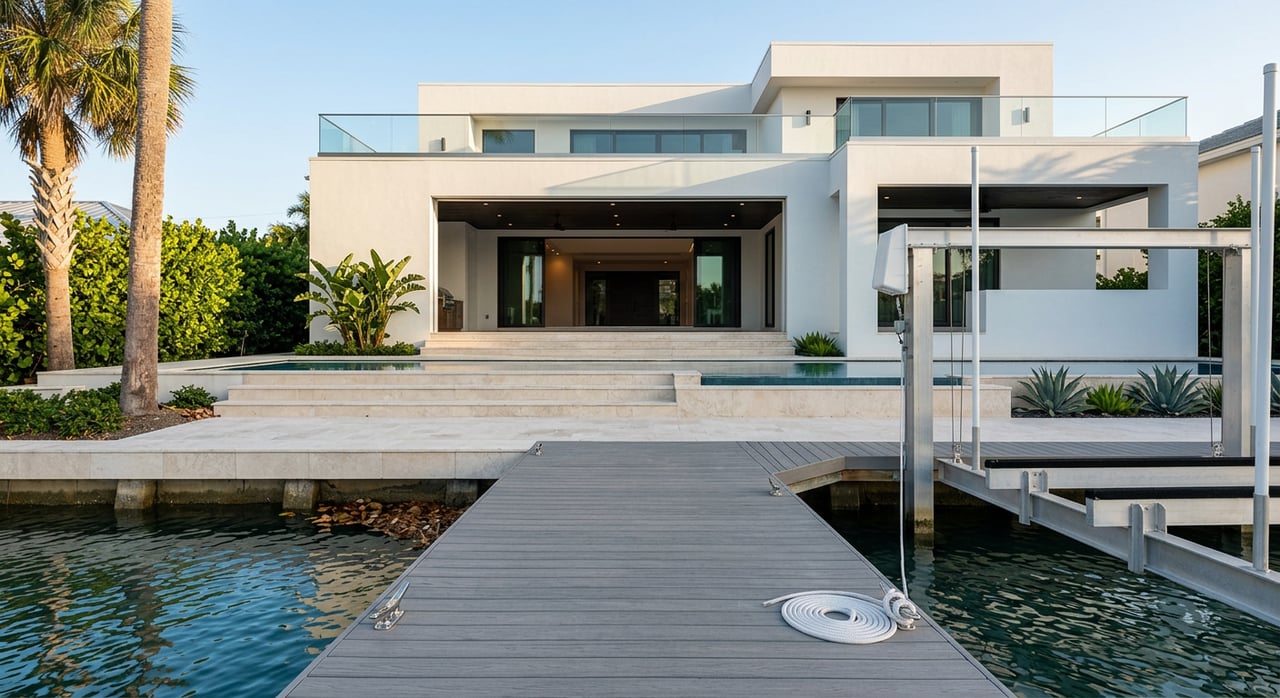
Waterfront Living Near St. Pete: Options For Boaters
March 5, 2026
March 5, 2026
You want to live where your morning coffee can turn into a quick cruise and sunset means a front-row seat on the water. Around St. Petersburg, that dream can look very different depending on the water at your back and how you use your boat. The good news is you have options, from sheltered bayous and canal systems to beachside islands and downtown marinas. In this guide, you’ll learn the main waterfront types near St. Pete, how top neighborhoods compare for boaters, what to expect with docks and permits, and a simple checklist to shop with confidence. Let’s dive in.
St. Petersburg sits between Tampa Bay and Boca Ciega Bay inside the broader Tampa Bay estuary, a mix of open bay, canals, bayous, and Gulf passes. This geography shapes your boating experience, from wind exposure to bridge clearance and time to open water. For a broad estuary overview, see this summary of the Tampa Bay estuary system.
Open-bay or direct-bayfront lots give you wide water views and quick access to Tampa Bay or Boca Ciega Bay, then through passes to the Gulf. You’ll trade more wind and wave exposure for speed to big water. Some edges of Snell Isle fit this profile.
Protected bayous and basins offer calmer water that works well for paddleboards, center consoles, and smaller cruisers. Coffee Pot Bayou along Snell Isle is a classic sheltered setting with a near-downtown lifestyle.
Man-made or dredged canals deliver private dock convenience along many parcels. They’re prized when the canal network ties to the bay without low fixed bridges. Transit times can be efficient, and daily boating often feels simpler.
On the beaches, you get Gulf-facing sands on one side and bayside docks or marinas on the other. Cruising routes often include drawbridges and narrow passes, so tall rigs should plan routes and timing. For day-to-day island context, check current information from Visit St. Pete/Clearwater.
Downtown and island condo owners often rely on association or club slips instead of private backyard docks. The St. Petersburg Yacht Club operates multiple marina facilities, and downtown municipal and private marinas provide wet slips, transient berthing, fuel, and services. Slip availability, waitlists, and club membership can shape this lifestyle.
Each waterfront pocket around St. Pete blends boat access with a distinct neighborhood feel. Here are common options buyers consider, with trade-offs to keep in mind.
Snell Isle is a historic peninsula northeast of downtown with waterfront lots on Coffee Pot Bayou and Snell Isle Harbor. Many homes advertise private docks and sheltered water with a short run to Tampa Bay, paired with proximity to downtown amenities. Explore the neighborhood overview from the Snell Isle Property Owners Association.
What boaters like:
What to verify:
Venetian Isles is a deepwater-canal community known for a dense network of waterfront parcels. Many listings highlight features like direct bay access and no fixed bridges. Routes and clearance can vary by vessel, so confirm your likely paths and bridge operations.
What boaters like:
What to verify:
Historic neighborhoods like Park Street and parts of Old Northeast feature architectural character, parks, and proximity to the urban core. Not every property is a large waterfront estate with a deepwater dock. Many residents pair a walkable lifestyle with nearby ramps, community docks, or marina slips. For a neighborhood snapshot, see this area profile.
What boaters like:
What to verify:
These island communities mix condos, townhomes, and single-family homes with access to association marinas and nearby full-service facilities. You are also close to public launch points. Fort De Soto Park, to the south, is a regional hub for multi-lane public launching and quick Gulf access.
What boaters like:
What to verify:
Barrier-island homes and condos give you the beach lifestyle alongside bayside boating. Johns Pass, between Madeira Beach and Treasure Island, is a busy route and includes a drawbridge that affects scheduling and clearances for sailboats and taller powerboats. Review current drawbridge details before you plan a routine at Johns Pass drawbridge information.
What boaters like:
What to verify:
You will see a range of waterfront structures across Pinellas: fixed docks on pilings, floating docks, T or U finger piers, and boat lifts. Many waterfront parcels have seawalls or bulkheads. Condo buildings may include community docks or assignable slips. Yacht clubs, municipal, and private marinas provide wet slips, fuel, pump-outs, and maintenance. The St. Petersburg Yacht Club’s waterfront gives a sense of local club-marina options and services.
Public access is robust for trailer boats and personal watercraft. Pinellas County and nearby cities maintain numerous launch sites, including the multi-lane complex at Fort De Soto Park. For a practical map of ramps, see this list of Pinellas County public boat ramps.
Shoreline maintenance and resilience also matter. Seawalls, docks, and lifts have ongoing costs and lifespans, and in some locations owners consider living-shoreline options where site conditions allow. Design choices often balance performance with environmental protection, which leads to permitting steps.
Most work on docks, lifts, and seawalls requires permits. At the state level, Florida regulates these activities through the Environmental Resource Permit program, and work on state-owned submerged lands needs additional authorization. Learn more in the Florida DEP guidance on ERP dredging and filling.
At the federal level, the U.S. Army Corps of Engineers regulates structures and work in navigable waters under the Rivers and Harbors Act and Clean Water Act. Florida projects often proceed under regional or programmatic general permits issued by the Jacksonville District. Read the Corps’ overview of federal regulatory permits.
Local jurisdictions may also require building permits or approvals for seawalls and docks. For flood-zone and storm-surge checks tied to insurance and build standards, use the Pinellas County Flood Map Service Center.
Environmental resources like seagrass beds can influence dock size, decking type, and pile spacing. In many cases, agencies encourage designs that reduce shading and avoid sensitive habitats. For consumer-friendly background on shoreline approaches and seagrass considerations, review Florida Sea Grant’s living shoreline resources.
Use this short list to compare properties and avoid surprises.
Your perfect setup depends on how you actually boat. If you want quick bay runs with calmer daily conditions, a sheltered bayou or canal home may be ideal. If your weekends mean beach-and-boat living, a barrier-island address close to passes could be the right fit. If you love downtown energy and dining, a condo with a club or municipal slip might deliver the balance you want.
The key is to match your boat, your routes, and your lifestyle to the property’s water. When you are ready to compare options and confirm the details that matter, connect with Jason White for local guidance and a plan that fits your goals.
Stay up to date on the latest real estate trends.
Embark on your next real estate journey with W Real Estate Group. Contact us today and let us turn your real estate dreams into reality. With W Real Estate Group, your success is our priority. Welcome home to a future of exceptional real estate experiences!