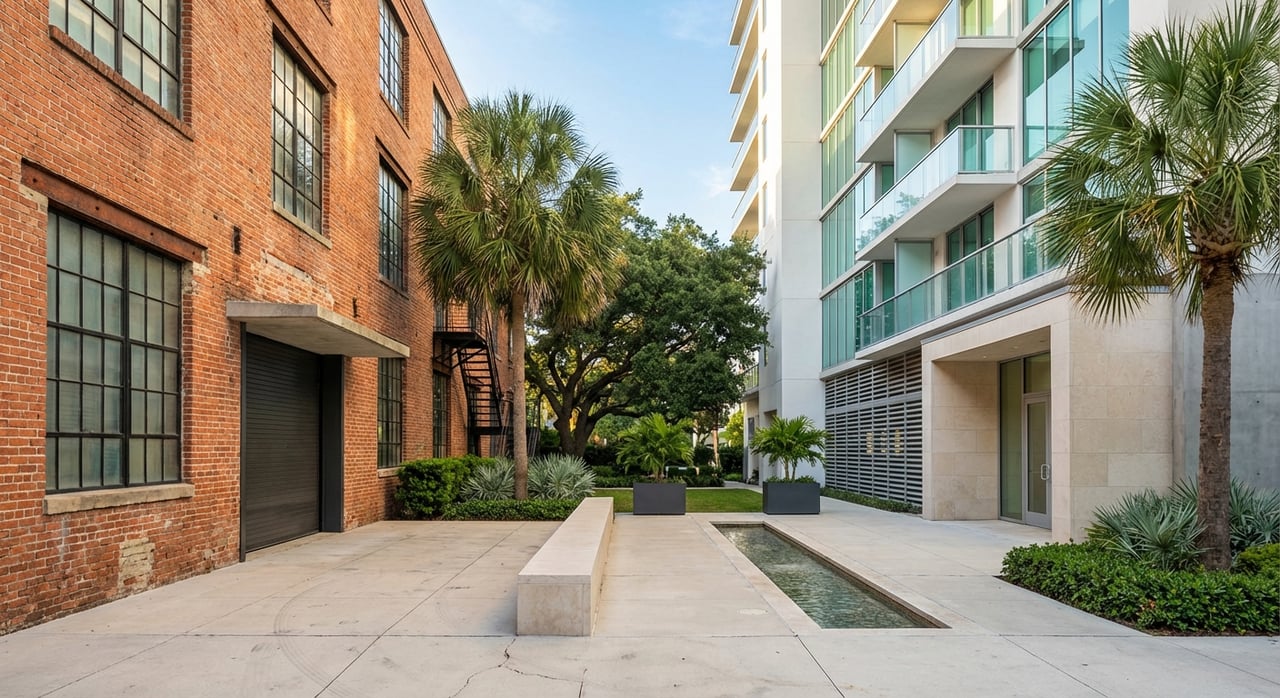
Lofts vs Towers: Downtown St Pete Condo Lifestyles
February 19, 2026
February 19, 2026
Are you picturing sunlit brick walls and soaring ceilings, or a glass-wrapped perch with sweeping bay views? In Downtown St. Petersburg, you can choose either vibe, often on the same block. Both deliver a walkable, arts-forward lifestyle by the water, but they live very differently day to day. In this guide, you will compare loft and tower living across layout, amenities, parking, noise, views, and due diligence, with local examples to tour. Let’s dive in.
Downtown St. Petersburg is compact, walkable, and lively, with waterfront parks, museums, and distinct sub-districts including the Central Arts and Warehouse Arts areas. The Warehouse Arts District’s independent galleries and small businesses set a creative tone nearby that many loft buyers love. You can get a feel for that district through the official overview from Visit St. Pete/Clearwater.
Transit continues to improve. The Pinellas SunRunner BRT provides frequent service along 1st Avenues, helping reduce event parking pressure and supporting a car-light lifestyle for some residents. See PSTA’s update archive for context on the SunRunner service.
Development is active. Adaptive reuse lofts and new luxury towers are both growing downtown. Projects like 400 Central are reshaping the skyline and adding full-service inventory, as covered by Axios.
Lofts come in two flavors: “hard lofts,” which are original warehouse or industrial conversions, and “soft lofts,” which are newer builds with a loft aesthetic. Expect high ceilings, open plans, large windows, and some exposed structure or utilities. Architectural Digest breaks down the core features in its overview of what a loft is.
In St. Pete, the Crescent Warehouse area exemplifies authentic hard-loft conversions, including Davenport Lofts, 4th Street Lofts, and Market Lofts. These lower-rise buildings typically deliver strong daylight and flexible spaces that you can tailor. For local context, see the Crescent Warehouse Historic District.
Most loft buildings keep things simple. You get character-rich interiors and a neighborhood feel, but you typically do not see resort-style amenity decks, staffed lobbies, or on-site management. That usually translates to lower monthly association dues, but also fewer shared services and sometimes smaller reserve balances. Always review the latest budget and reserves before you buy.
Parking at lofts can be a mix of small on-site lots, surface spaces, or street parking. Some units include deeded spaces and some do not. If you prefer a one-car or car-light household, proximity to SunRunner stops and downtown garages can help. Confirm exactly what parking rights transfer with the unit.
Tower condos are purpose-built for vertical living. You will find stacked units, engineered floor and ceiling assemblies, elevators, and systems designed to separate living spaces from the street. Newer towers focus on a lock-and-leave lifestyle with security, climate-controlled corridors, and consistent finishes.
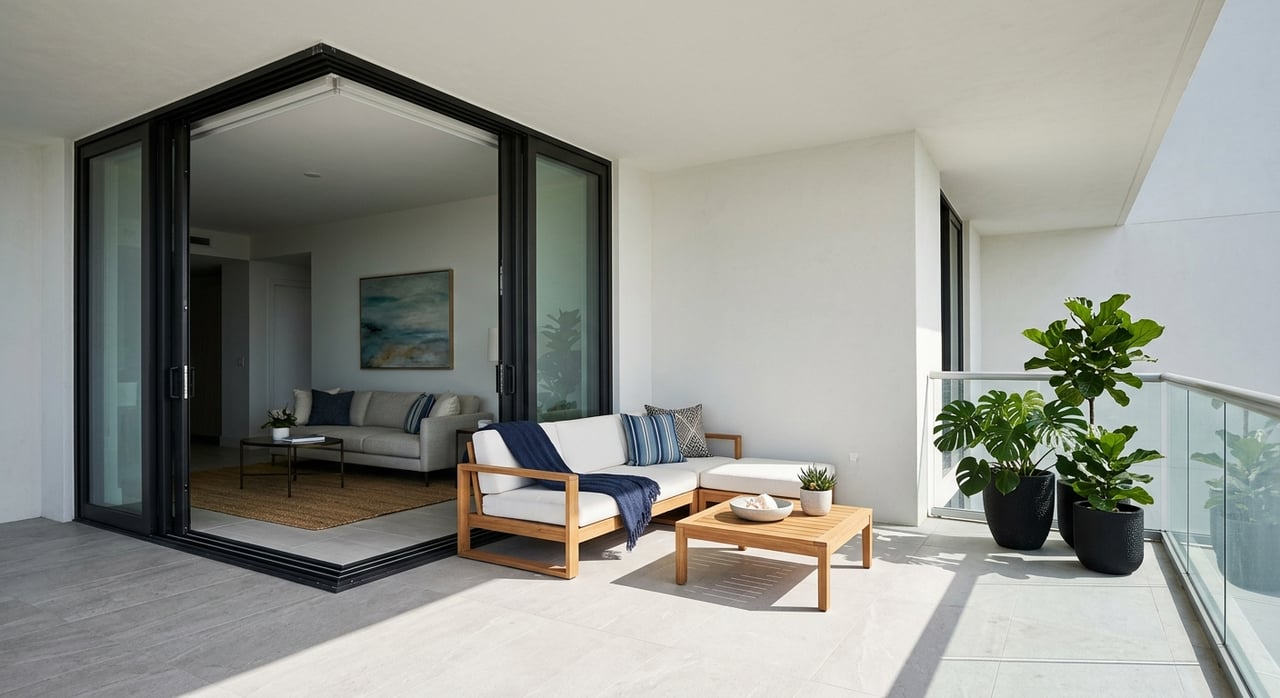
Higher floors in towers often deliver broad skyline and bay views with generous glazing. Elevation can reduce perceived street noise relative to ground level, though performance varies by building and orientation. Review unit exposure, balcony placement, and window specs during your tour.
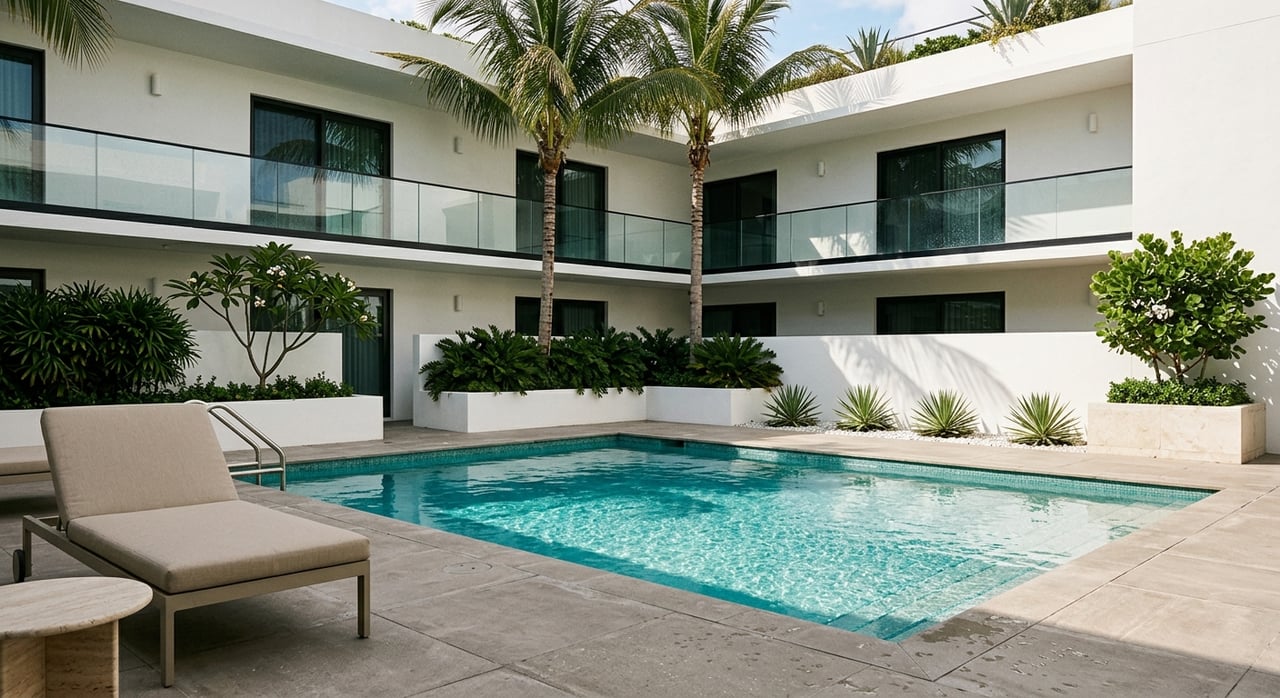
Tower amenities commonly include concierge or front desk, staffed security, fitness centers, club rooms, and resort-style pools. Signature Place is a representative example, with a multi-level garage and amenity deck highlighted in the project profile from Sika. These services simplify daily life, though they come with higher monthly assessments.
Amenities and staffing drive operating costs. Towers with full-service packages usually carry higher HOA dues to cover personnel, elevators, pool systems, larger insurance policies, and robust reserves. Smaller loft associations may have leaner dues but limited reserves, which can lead to special assessments. For a clear overview of what HOA fees often cover and why reserves matter, see this guide from FS Residential.
Florida’s post-Surfside rules introduced milestone structural inspections and stronger reserve requirements for many multi-story condominiums. As a buyer, you should request each building’s inspection status, structural reports, and Structural Integrity Reserve Study. Get a plain-English primer on the changes from this Florida condo law overview.
Coastal setting adds another layer. Downtown towers typically carry large master insurance policies, and flood insurance may be required depending on the FEMA zone. Ask for the association’s insurance certificate and get HO-6 quotes for your unit. If you want to understand coastal design expectations at a high level, the FEMA Coastal Construction Manual list is a useful reference point for resilience best practices (FEMA resource list).
Towers usually provide deeded or assigned spaces in secure garages. Some newer buildings add EV charging. Lofts vary widely, so verify whether you get a dedicated space or rely on street and public lots. If you expect to use rideshare, bike, or BRT for regular outings, factor distance to SunRunner stops and your weekend plans. You can revisit PSTA’s archive for context on the SunRunner service.
| Feature | Typical Loft | Typical Tower |
|---|---|---|
| Layout | Open plan, flexible partitions | Defined rooms, privacy by design |
| Ceiling height | Very high, dramatic volume | High, varies by building |
| Light & views | Great daylight, neighborhood views | Skyline or bay views on higher floors |
| Noise & acoustics | Hard surfaces, can echo | Engineered assemblies, variable performance |
| Amenities | Minimal common spaces | Concierge, pool, fitness, club rooms |
| Parking | Surface or limited assigned | Deeded or assigned garage |
| HOA dues | Often lower, lean services | Higher, staff and amenity costs |
| Reserves | Varies, sometimes smaller | Often larger, fund major systems |
| Vibe | Artistic, warehouse character | Resort-like, lock-and-leave |
| Best fit | Space to create and customize | Service, views, and convenience |
Start with lifestyle, then confirm the details. Use this on-the-ground checklist during tours:
If you keep your decision anchored to daily routine and documented building health, you will land on a home that fits both your lifestyle and your risk comfort.
Ready to compare live options and documents side by side? Reach out to Jason White for a curated shortlist, building reports, and a guided tour of the neighborhoods and towers that fit your goals.
Stay up to date on the latest real estate trends.
Embark on your next real estate journey with W Real Estate Group. Contact us today and let us turn your real estate dreams into reality. With W Real Estate Group, your success is our priority. Welcome home to a future of exceptional real estate experiences!