If you are shopping or selling on Snell Isle and Brightwaters, the dock behind the house often matters as much as the kitchen. You want easy days on the water, not surprises about depth or bridge clearance after closing. In this guide, you will learn how dock type, water depth, bridge clearance, and the route to open water shape buyer demand and pricing in this part of St. Petersburg. Let’s dive in.
Why docks and depth drive value in Snell Isle
Snell Isle and Brightwaters sit on canals and bayfront lots with quick access to Tampa Bay and nearby boating routes. Buyers here prize convenience, safety, and the ability to use their boat without limits. If a property cannot handle a typical local boat or is blocked by a low bridge, the buyer pool shrinks. When the features align, demand rises and the price can follow.
The four features that matter most
Dock type and lift
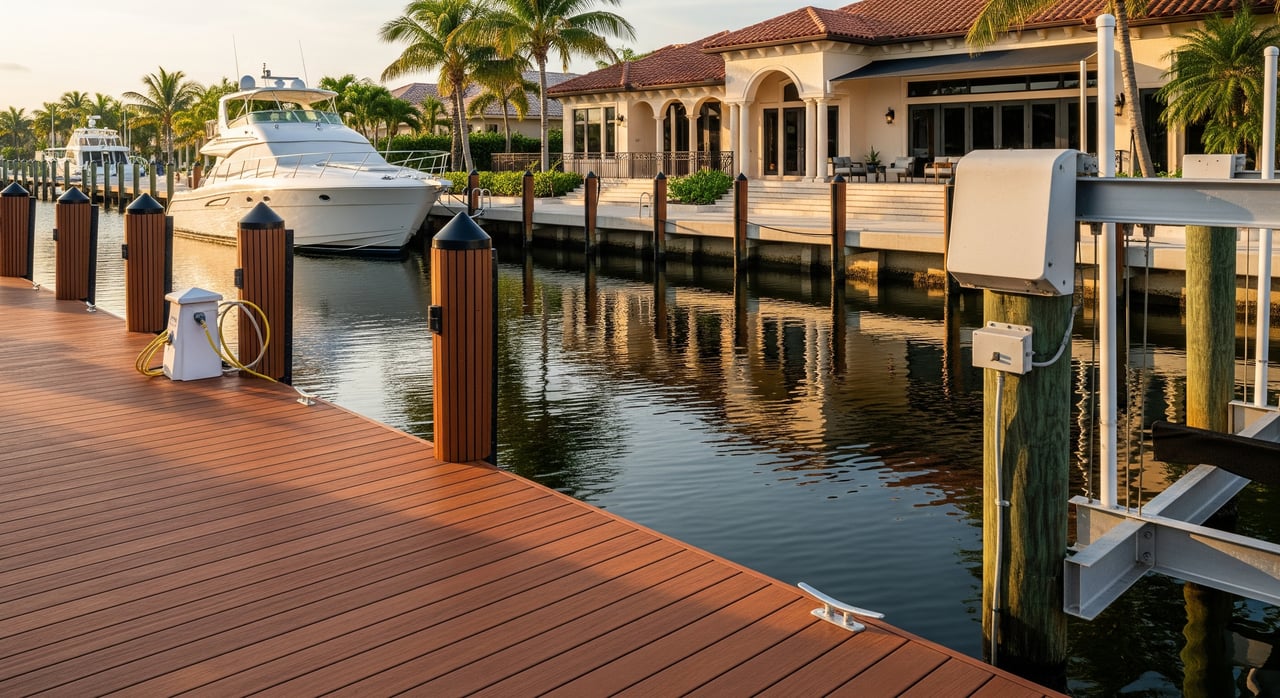
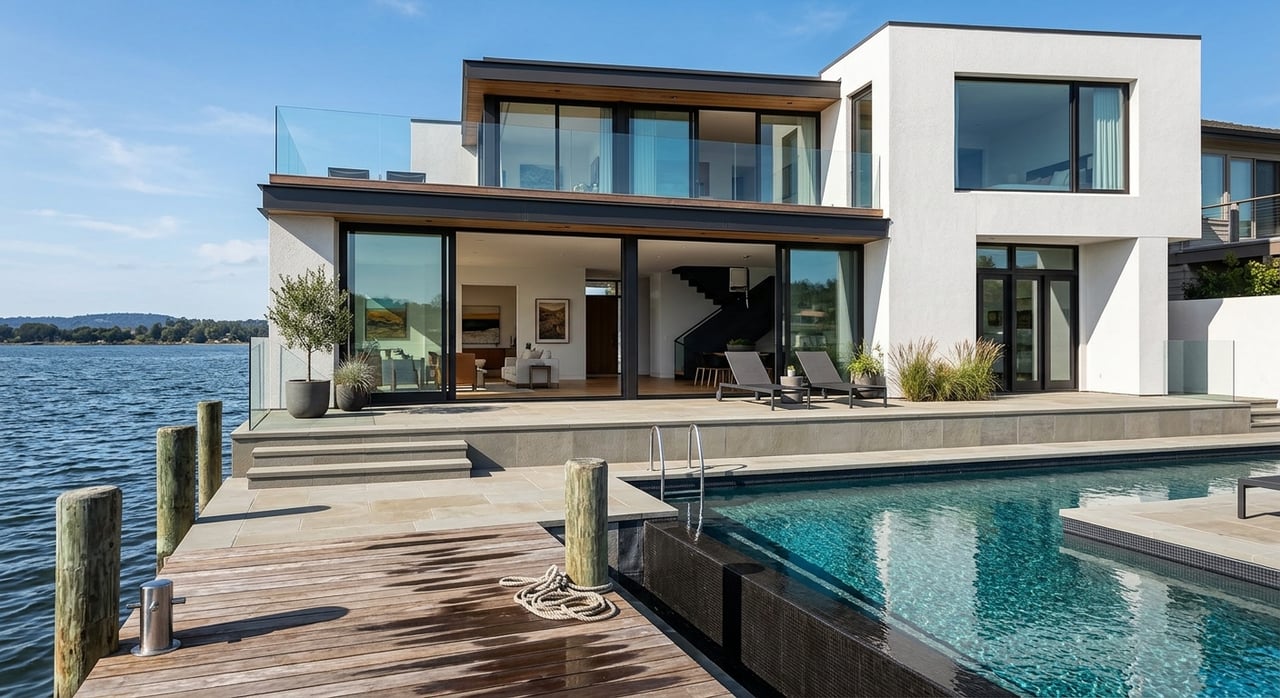
The construction and condition of the dock set the tone. Fixed docks feel solid and often support heavier lifts. Floating docks move with the tide and can be kinder to hulls, though they may have load limits. A modern, well‑sized boat lift adds real appeal for powerboat owners and signals lower hassle.
What it means for value:
- A private, well‑built dock with a lift typically increases demand.
- Outdated, poorly maintained docks or shared access can deter buyers.
Water depth at the slip
Depth at mean low water shows what draft you can safely handle. It is one of the most direct constraints on the boats that can use the slip. Depth can change with shoaling and seasons, so recent measurements matter. If the slip is too shallow for common local boats, marketability drops.
What it means for value:
- Adequate depth expands the buyer pool to include mainstream cruising powerboats and small yachts.
- Marginal depth limits use and can pull pricing down relative to better‑equipped comparables.
Bridge clearance on the route
Vertical clearance at mean high water determines which boats can reach the bay without lowering equipment. Fixed low bridges can block sailboats and taller powerboats. Tidal swings can reduce clearance further during peak high tides.
What it means for value:
- Unobstructed routes with no low fixed bridges broaden the audience, especially sailors.
- A low bridge on the only way out narrows demand and can pressure price.
Route to open water
Shorter, simpler routes add usable hours and reduce risk. Long, winding canals with tight turns or traffic are slower. Bayfront exposure can bring more wind and waves, while interior canals offer protection. Each profile attracts a different buyer.
What it means for value:
- Quick access boosts demand among active boaters.
- Protected canals can appeal to buyers who prioritize calm water and privacy.
A simple valuation framework you can use
Use this score‑based approach to frame premiums and trade‑offs. You can calibrate the results with recent local sales.
Identify your likely buyer. Powerboat owner, sailboat owner, casual paddler, or a buyer who just wants the view. Your target buyer sets the weights for each feature.
Score core attributes from 0 to 10 based on what you observe and document:
- Dock quality and age
- Boat lift and capacity
- Water depth at the slip (at mean low water)
- Bridge clearance on the route (at mean high water)
- Travel time and complexity to the bay
- Legal and permitting status
- Seawall and maintenance outlook
- Weight what matters most to your buyer profile.
- Powerboat focus: depth, lift, and travel time carry more weight.
- Sailboat focus: bridge clearance and depth take the lead.
- View‑first buyer: maintenance burden and permitting clarity matter more than a lift.
Sum and normalize to a 0 to 100 score.
Map the score to premium bands for expectations, then validate with comps:
- 0–40: Limited marketability to boat buyers, little to no premium and possibly a discount.
- 41–70: Moderate marketability, modest premium that depends on buyer segment.
- 71–100: High marketability, stronger competition and a clear relative price advantage.
Two quick local examples
- A Brightwaters bayfront home with solid depth at the slip, no low bridges to the bay, and a modern lift should score high for a powerboat buyer. Expect strong interest compared with similar homes that lack a functional dock.
- A canal home behind a low fixed bridge with only 3 to 4 feet of depth and a deteriorated dock will appeal more to small‑craft users and may trail similar properties with better access.
What to verify before you list or buy
Accuracy builds trust and speeds decisions. Gather clear, current documentation so buyers know what they are getting.
Measure depth the right way
- Obtain a recent marine survey showing depth at mean low water at the slip and along the route.
- Note any shoaling patterns and recent dredging in the canal or channel.
Confirm legal and permitting status
- Pull dock, lift, and seawall permits from the city or county.
- Verify riparian boundaries, recorded easements, and any shared dock agreements.
- Confirm whether the current structure is grandfathered and if replacement or upgrades are allowed.
Inspect seawall, dock, and lift
- Get a seawall inspection and photos of structural elements.
- Document lift age, capacity, and service history.
- Identify near‑term capital items so you can address them or price accordingly.
Map the navigational route
- Provide a simple route sketch that shows bridges, tight turns, and estimated minutes to Tampa Bay.
- Note typical traffic patterns and any tide‑sensitive spots on the way out.
Understand flood and insurance context
- Confirm FEMA flood zone and base flood elevation for the property.
- Discuss how location exposure may affect maintenance and insurance costs.
Common trade‑offs in Brightwaters
- Exposure vs protection: Bayfront locations can offer faster access and bigger views, while interior canals often provide calmer water and less wear on docks.
- Sailboat vs powerboat: Clearance under fixed bridges is often the deal‑maker for sailboats. Powerboats tend to focus on lift capacity, depth, and route time.
- New vs older structures: New composite or aluminum systems with upgraded lifts reassure buyers. Aging wood docks and tired lifts raise maintenance questions.
- Private vs shared slips: Private slips usually win on convenience. Shared arrangements can work with clear agreements and defined slip assignments.
Pricing strategy for sellers
- Know your buyer profile. Highlight the features that matter most to that buyer segment.
- Package the facts. Include depth readings at mean low water, bridge clearances at mean high water, permits, inspection reports, and a route map.
- Tackle easy fixes. Replace unsafe decking, service the lift, and address minor seawall issues before listing.
- Stage for showings. If tides matter for clearance, schedule showings to demonstrate practical access.
- Price with comps. Compare against recent waterfront sales with similar access. Adjust for dock quality, depth, lift, and route time.
Smart search tactics for buyers
- Filter by function, not just photos. Confirm depth at mean low water and ask about bridge heights at mean high water.
- Match the lift to your boat. Check weight, beam, and age.
- Think in minutes. Estimate real travel time from the dock to the bay under typical conditions.
- Review permits and surveys. Clean paperwork saves you time and reduces risk.
How we help in Snell Isle and Brightwaters
You deserve clear answers and confident decisions. Our team combines neighborhood knowledge, data‑driven marketing, and hands‑on service to position your home or to zero in on the right property. We gather the critical waterfront documents up front, highlight the features that move the needle for your target buyer, and market across high‑quality channels that fit the luxury profile of Snell Isle and Brightwaters.
If you are buying, we vet depth, lifts, and route details so you do not waste time on homes that will not fit your boat. If you are selling, we calibrate expectations with local comps and present a polished story that attracts the right buyer segment.
Ready to talk strategy for your dock and your home’s value? Connect with Jason White for a custom plan and Get Your Home Valuation.
FAQs
What affects a Snell Isle home’s dock value the most?
- Depth at mean low water, bridge clearance at mean high water, dock and lift condition, and the time and complexity to reach open water are the biggest factors.
How do I know if my slip has enough depth for my boat?
- Ask for a recent marine depth measurement at mean low water and compare your boat’s draft with a safety margin based on local conditions.
Do bridges near Brightwaters limit which boats can pass?
- Fixed bridges with lower clearance can block sailboats and tall powerboats, so verify vertical clearance at mean high water along the route to Tampa Bay.
What documents should sellers provide for waterfront listings?
- Depth survey, dock and lift permits, seawall inspection, route details, title items related to riparian rights, and any easements or HOA rules.
Can I upgrade or replace an older dock easily?
- It depends on current permits, local rules, environmental constraints, and whether the structure is grandfathered, so check with local permitting offices early.
Why do two similar homes price differently in Snell Isle?
- Small differences in depth, clearance, lift capacity, and route time can expand or shrink the buyer pool, which often leads to noticeable price gaps.