Are you eyeing a place on St. Pete Beach and wondering which hurricane-ready features truly matter? You are not alone. On this barrier island, wind, windborne debris, storm surge, and salt air all test a home’s durability. In this guide, you will learn the features buyers value most, how to verify them during a showing or inspection, and how they can influence insurance and resale. Let’s dive in.
Why hurricane-ready features matter
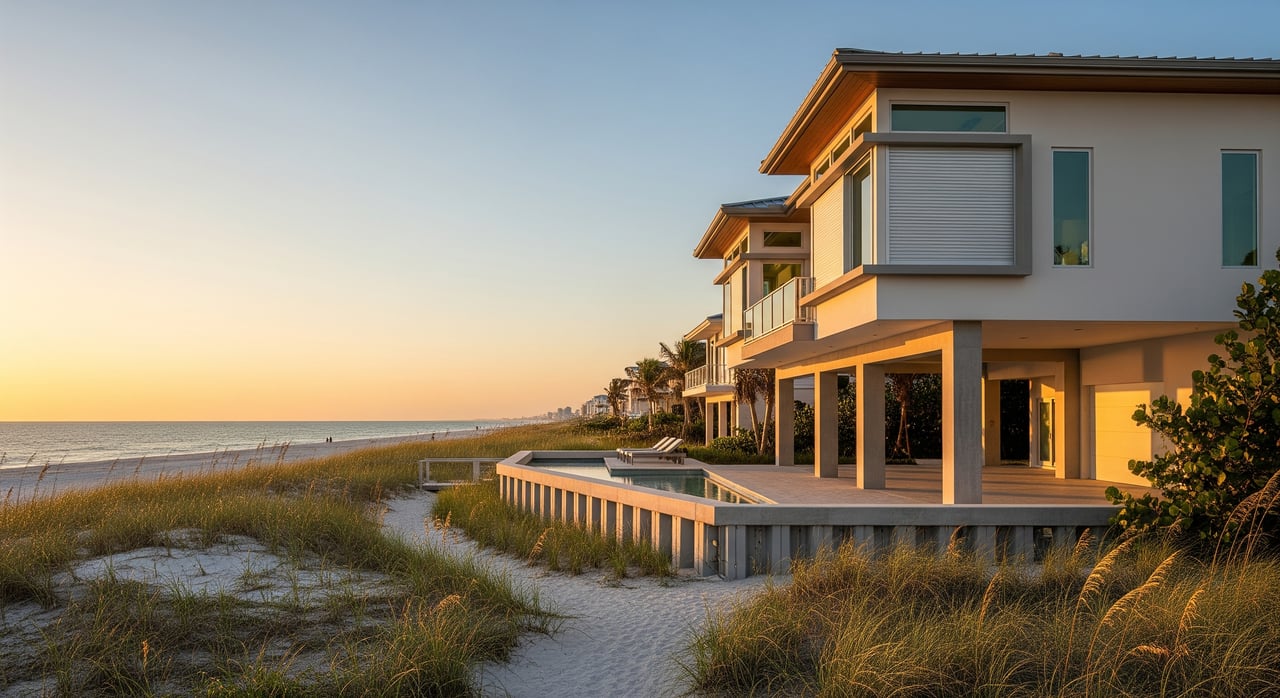
St. Pete Beach sits on a low-lying barrier island along the Gulf of Mexico. Homes here face higher exposure to hurricane-force winds, flying debris, and coastal corrosion. That is why buyers often prioritize materials and assemblies that keep the building envelope intact and reduce maintenance.
Florida follows the Florida Building Code. Many products carry state approvals or Miami-Dade County product approvals that indicate robust testing for wind and debris. In Pinellas County and the City of St. Pete Beach, local permitting and code compliance confirm proper installation.
If you are buying a condo, many resilience decisions live with the association and master insurance policy. If you are buying a single-family home, owner-installed features can directly affect your premium and long-term costs.
Impact windows and doors
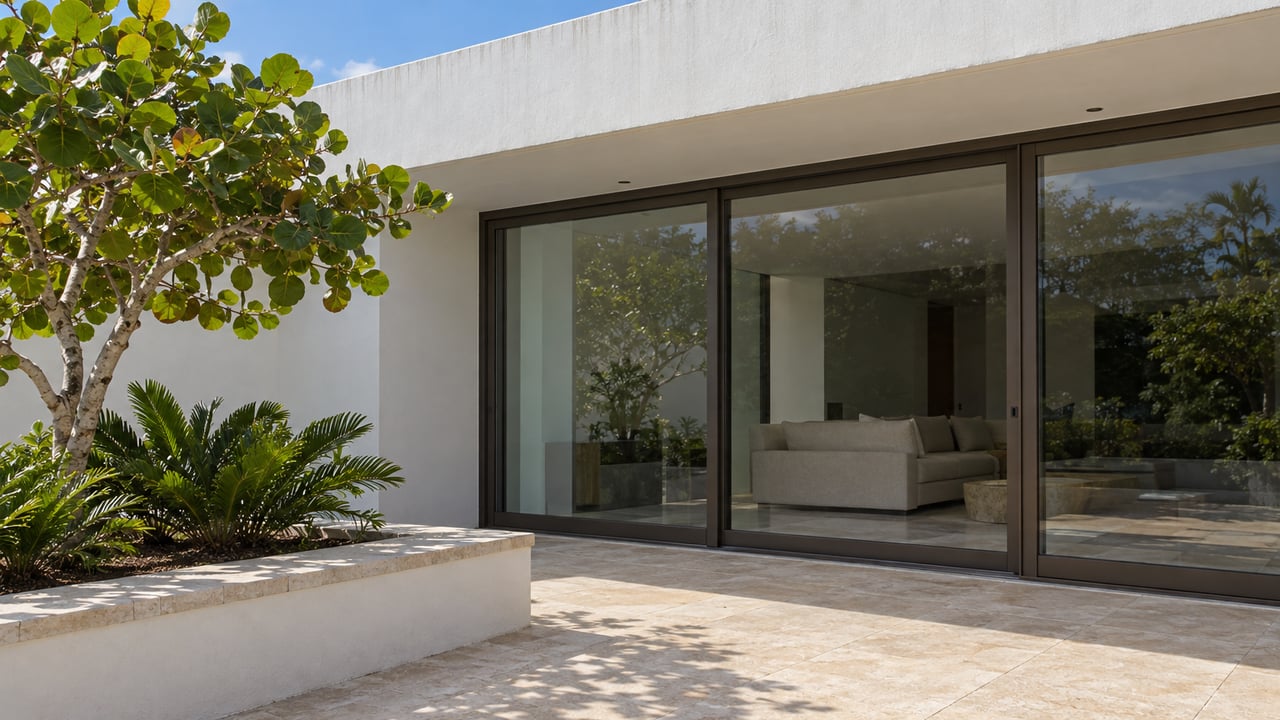
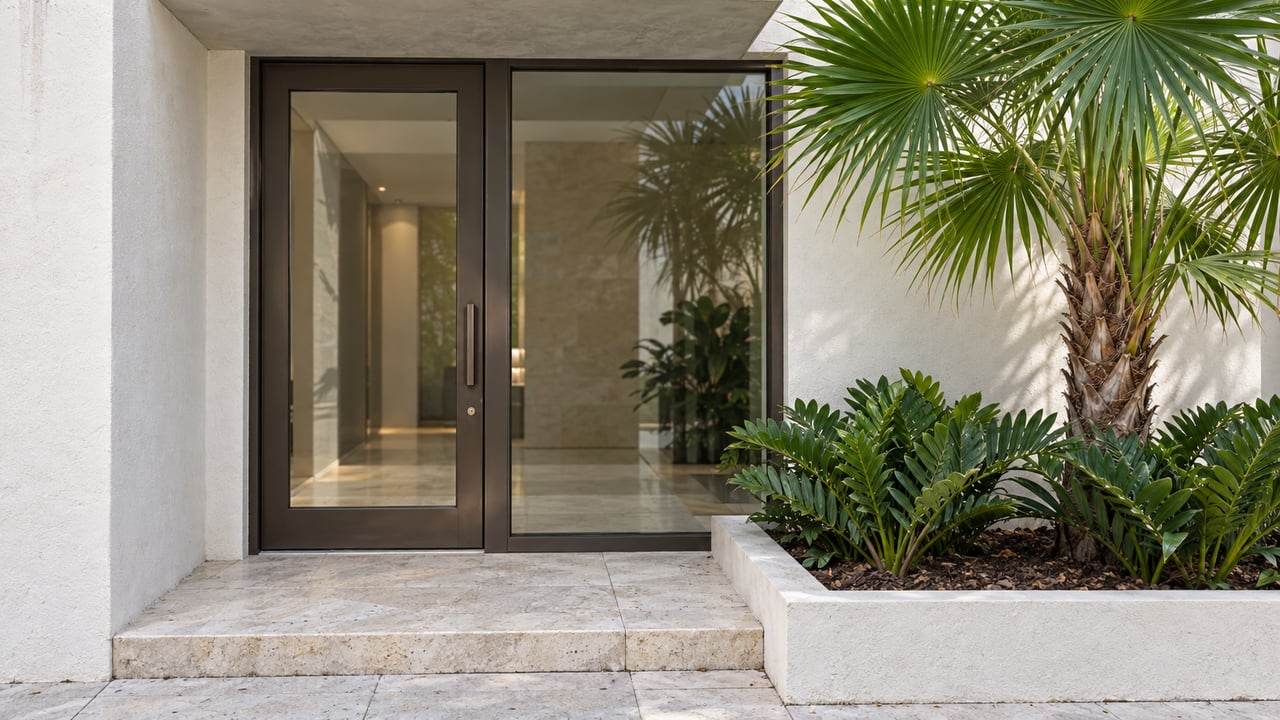
Impact-resistant windows and doors use laminated glass and reinforced frames to resist windborne debris and stay in place under design wind loads. Buyers value these because they lower the risk of a broken opening that lets wind and rain into the home. They also commonly qualify for wind-mitigation credits from insurers.
How to verify:
- Look for a manufacturer label with a Miami-Dade or Florida state product approval number on the frame or glass corner.
- Ask for permits, installation records, and product datasheets.
- Confirm proper flashing and sealants for wind-driven rain.
Coastal considerations:
- Favor corrosion-resistant frames and hardware. Aluminum with protective coatings and stainless steel fasteners perform better in salt air.
- Check the condition of weatherstripping, weep holes, and sealants.
Roof systems that perform
Your roof is a system, not just a shingle or tile. Buyers look at the roof covering, the deck attachment, the roof-to-wall connections, and the overall shape. Hip roofs generally perform better in high winds than gable roofs, though proper attachment and installation often matter more than shape alone.
What buyers value:
- Newer, code-compliant roof with documented uplift ratings and permits.
- Strong roof deck attachment and a sealed secondary water barrier.
- Visible roof-to-wall connectors, often called hurricane straps or ties.
How to verify:
- Pull permit history and ask for the roofer’s invoice and warranty.
- Request a professional roof inspection that documents deck attachment, fastener type, and connections.
- Check penetrations, flashing, and underlayment notes on the invoice.
Coastal considerations:
- Look for stainless or hot-dip galvanized fasteners rated for marine exposure.
- Ask about underlayment quality and sealed seams to limit wind-driven rain intrusion.
Garage doors and large openings
Garage door failure is one of the most common starting points for severe wind damage. Once a large opening breaches, internal pressure can push upward on the roof and outward on walls. Buyers consistently value a wind-rated garage door with reinforced tracks and proper anchorage.
What to look for:
- A manufacturer label showing the door’s design pressure rating and product approval.
- Reinforced tracks, vertical bracing, and robust anchorage to the structure.
- Permit records for any replacement or retrofit.
Market tip:
- Upgrading a garage door is often a cost-effective way to improve resilience and can be recognized by insurers.
Tie-downs and continuous load path
A continuous load path uses mechanical connectors to transfer wind uplift and lateral loads from the roof to the walls and then to the foundation. This is how a structure resists being pulled apart during a storm.
Why it matters:
- It addresses structural failure modes, not just component breakage.
- Insurers and engineers look for documented roof-to-wall connections and anchorage.
How to verify:
- Look for visible hurricane straps at the eaves, clips at truss or rafter connections, and anchor bolts at sill plates.
- For older homes, consider a structural engineer’s evaluation to confirm needs and document any retrofits.
Coastal considerations:
- Use stainless steel or appropriately galvanized connectors to resist corrosion.
Other smart coastal upgrades
Beyond major systems, several add-ons improve performance and buyer confidence:
- Shutters or permanent protections: Roll-down or accordion systems are easier to deploy than removable panels.
- Secondary water barrier: Taped roof deck seams and quality underlayment reduce interior water damage.
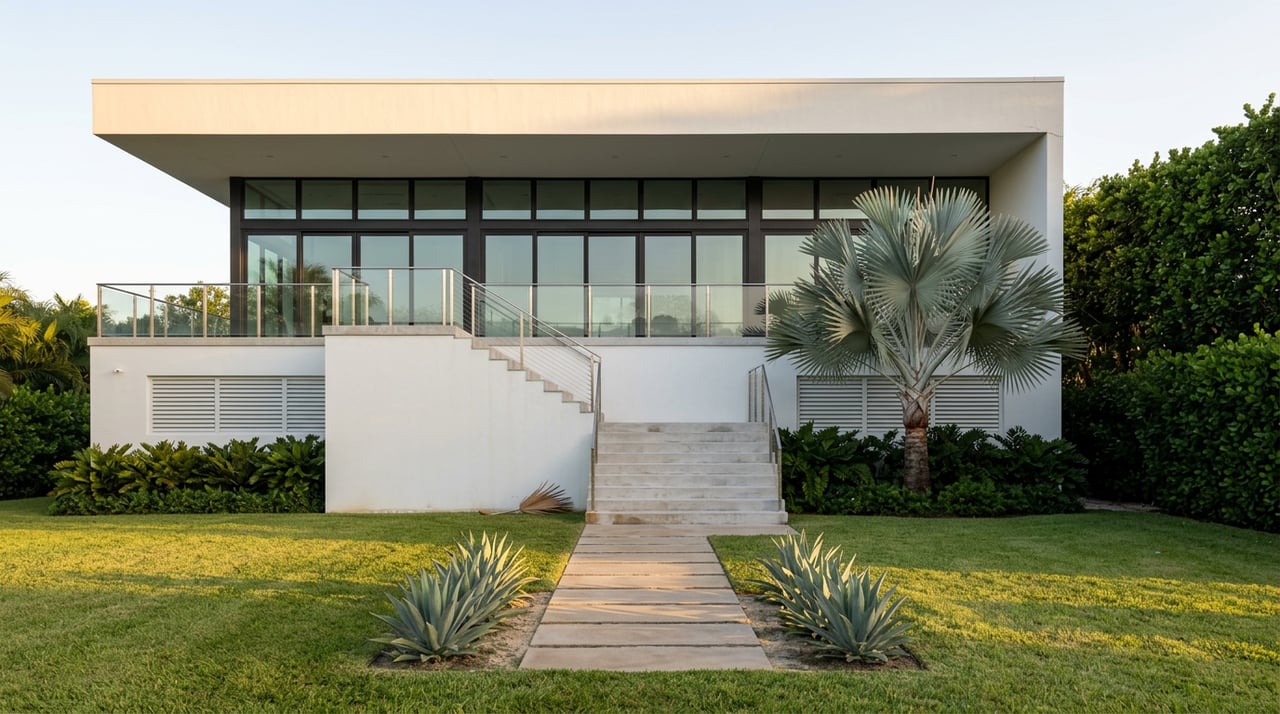
- Elevated mechanicals: Raising HVAC and key utilities above expected flood levels reduces combined wind and flood impacts.
- Durable exteriors: Fiber cement, engineered siding, sealed trim, and corrosion-resistant metals stand up better in salt air.
- Soffit and vent protection: Reinforced soffits and protected vents reduce a common failure point.
Insurance and wind-mitigation savings
In Florida, many insurers use wind-mitigation features to help set premiums. A licensed inspector typically completes a wind mitigation inspection report that documents items like roof shape and age, deck attachment, roof-to-wall connections, secondary water barrier, opening protection, and garage doors. Carriers review the form and any permits or product approvals to determine credits.
Features that often matter to insurers:
- Impact-rated windows and doors with visible product approval labels.
- A recent, code-compliant roof with proper attachment.
- Wind-rated garage doors.
- Verified hurricane straps and a continuous load path.
- Secondary water barriers, in some programs.
Important nuances:
- Discount amounts and eligibility vary by insurer and policy type. Product approval labels and permits are often required.
- Condo buildings may receive credits at the master policy level. Individual unit premiums might not reflect building-wide upgrades.
- Voluntary resilience standards such as the IBHS Fortified program can help document performance, depending on insurer recognition.
Practical takeaway:
- Sellers should assemble permits, product labels, invoices, and any wind mitigation inspection or certification.
- Buyers should order a wind mitigation inspection early or require one in contingencies to understand likely premium impacts.
Buyer checklist for St. Pete Beach
Document review:
- Ask for permits, product approvals, and installer warranties for windows, doors, roofing, and garage doors.
- Request the latest wind mitigation inspection report and any engineer letters.
On-site focus:
- Confirm impact window and door labels and check hardware for corrosion.
- Verify roof age, material, deck attachment details, and visible roof-to-wall straps.
- Inspect garage door tracks, bracing, and anchorage for a rating label.
- Look for marine-grade fasteners, sealed penetrations, and evidence of regular maintenance.
Contract strategy:
- Consider a contingency for obtaining wind mitigation documentation or completing specific mitigations before closing.
- For older homes, ask for a structural assessment or a cost estimate for needed retrofits.
Insurance prep:
- Seek an early quote based on documented features to avoid surprises during underwriting.
Seller strategy: upgrades that sell
If you plan to improve resilience before listing, focus on upgrades that buyers recognize and insurers often credit:
- Impact windows and entry doors: Ensure product labels are intact and permits are closed.
- Roof replacement: Choose assemblies tested for uplift, document deck attachment, and keep warranties handy.
- Wind-rated garage door: Reinforce or replace the door and save the permit and installation paperwork.
- Documented connectors: Add or document hurricane straps and other load-path elements. Provide inspection reports or engineer letters.
Packaging your proof:
- Create a simple binder or digital folder with permits, product approvals, invoices, warranties, and any wind mitigation or Fortified documentation.
- Mention these features in your listing description to align with buyer expectations in coastal markets.
How to verify features fast
When you tour a property, use this quick reference:
- Impact protection: Locate approval labels on windows and doors. If you do not see them, ask for documentation.
- Roof system: Confirm replacement date, covering type, and permit. Ask about underlayment and deck attachment.
- Garage door: Find the design pressure rating label and inspect tracks and anchorage.
- Load path: Look for straps or clips in accessible areas and ask for any engineer or inspector reports.
- Coastal durability: Check for stainless or galvanized hardware and well-sealed penetrations.
Ready to shop or sell in St. Pete Beach?
You deserve a local partner who pairs neighborhood-level insight with practical, investor-grade guidance on resilience and insurance. Whether you are evaluating impact windows, comparing roof systems, or preparing documentation for a smoother underwriting process, our team can help you make confident decisions. Connect with Jason White to discuss your plan or to Get Your Home Valuation today.
FAQs
What hurricane-ready features matter most in St. Pete Beach?
- Impact-rated windows and doors, a code-compliant roof with strong deck attachment and roof-to-wall straps, a wind-rated garage door, and corrosion-resistant materials.
How do wind-mitigation inspections affect Florida insurance?
- Insurers use a standardized inspection form that documents features like roof age, attachments, opening protection, and garage doors, then apply qualifying credits based on their rules.
Do impact windows replace the need for shutters?
- Impact windows provide built-in opening protection and reduce the need for removable panels, but some owners still choose shutters for specific exposures or redundancy.
What should condo buyers ask the HOA about resilience?
- Ask about building-level opening protection, roof age and condition, garage door ratings if applicable, master policy details, and any recent wind mitigation or engineering reports.
Which roof shape performs best in high winds?
- Hip roofs generally perform better than gable roofs, but proper deck attachment, underlayment, and connections often have a greater impact on overall performance.
How can sellers document upgrades for buyers and insurers?
- Provide permits, product approval labels, contractor invoices, warranties, and any wind mitigation or Fortified certifications in a clear, organized package.