Channelside & Harbour Island Condo Renovation Rules Guide
October 16, 2025
October 16, 2025
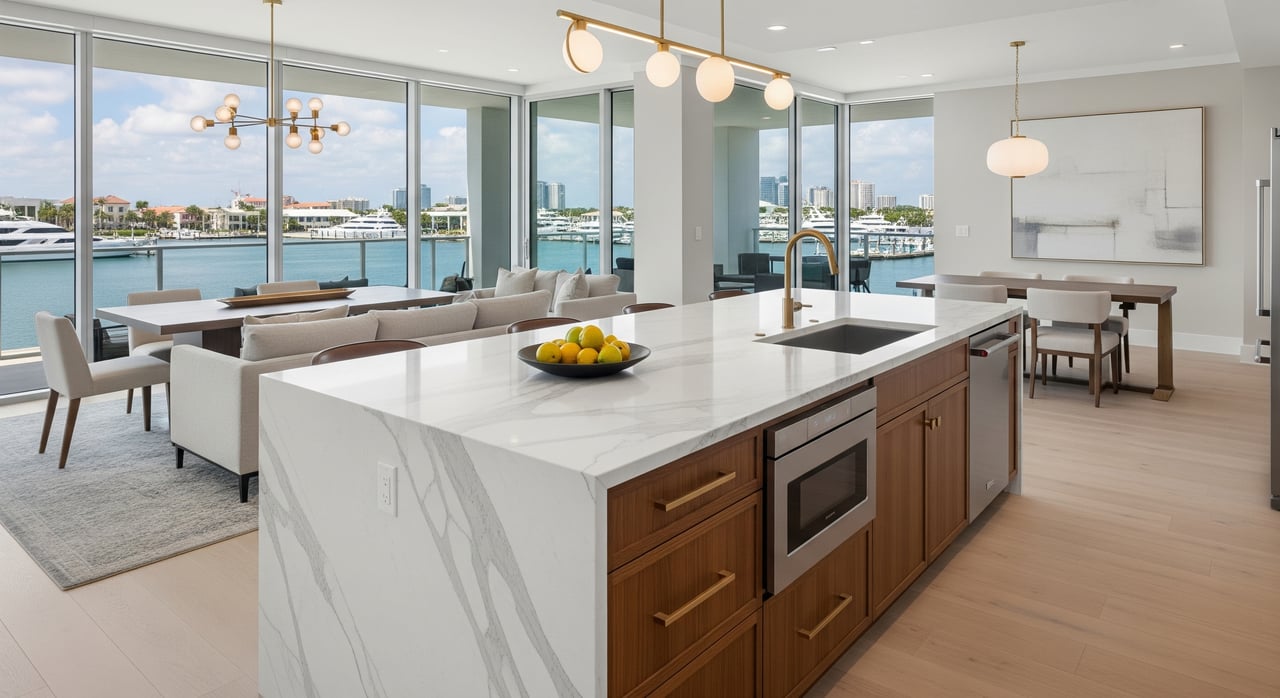
Thinking about updating your Channelside or Harbour Island condo? A well-planned refresh can brighten daily living and support resale, but high-rise rules, hurricane standards, and Tampa permitting add extra steps. This guide lays out approvals, permits, timelines, costs, and storm-smart choices so you can renovate with confidence. Let’s dive in.
Living on the waterfront in downtown Tampa is special, and it also shapes your renovation plan. Older mid-rise buildings may have different plumbing chases or wiring than newer towers, which affects scope and cost. Waterfront locations also mean storm and flood exposure, so it is smart to check your unit’s flood zone using the county’s tool and plan accordingly. If your building has pre-1978 components, the EPA’s Renovation, Repair and Painting Rule applies when disturbing painted surfaces.
Inside Tampa city limits, you will use the City of Tampa for permits. In unincorporated areas, Hillsborough County is the point of contact. Both enforce the Florida Building Code, so confirm your jurisdiction before you apply.
In condos, permits are typically required when you change building systems or structural elements. Cosmetic updates often do not need permits, but always verify before you start.
Plan review timelines vary by scope. City guidance notes residential plan reviews can take up to roughly 30 business days, and commercial or condo plan reviews can run longer. Build time for re-submittals and inspections. Estimate permit and plan review fees with the City’s fee information.
Your association governs common elements and sets rules for alterations. Under the Florida Condominium Act, material changes to common elements usually need approval as outlined in your declaration, and owners cannot make changes that impact building safety or shared systems.
Expect to submit an alteration request with plans, contractor licenses, and certificates of insurance. Most boards regulate work hours, contractor access, elevator reservations, and debris handling. Windows, balcony surfaces, penetrations into common chases, and any exterior-facing changes usually require both board approval and permits. Many buildings also set acoustic standards for hard flooring and require proof of underlayment performance.
Pro tip: Before you order materials, request your alteration policy, architectural guidelines, and a summary of the master insurance policy so you know what you must insure versus what the association covers.
Budgets vary by scope, finishes, and building access. High-rise logistics can add labor time for elevator scheduling, protection, and deliveries. Kitchen and bath updates often deliver strong lifestyle impact, while soft costs like permits, engineering stamps, and association admin fees can add a few hundred to a few thousand dollars depending on scope.
For ROI context, minor and midrange updates typically recoup a meaningful portion of cost at resale, while highly personalized luxury upgrades tend to recoup less. See national trends here: Cost vs. Value report
Condo renovations move at the pace of the building. Plan for elevator reservations, padding and protection, worker check-ins with management, and set delivery windows. Some buildings charge elevator or move fees. If your project touches balcony or exterior elements, expect additional engineering and approval steps.
Licensed, insured trades are a must in condo buildings. Verify licenses and complaint history with the Florida Department of Business and Professional Regulation, and request certificates of insurance. If the building asks to be listed as an additional insured, your contractor should be able to accommodate.
Ask your manager for a summary of the association’s master policy and deductibles. Many owners carry an HO-6 policy for interior finishes and personal property. If your building sits in a Special Flood Hazard Area, a lender may require flood insurance. The county’s flood tool can help you understand property-specific risk.
Even small trade permits can take a few days to a couple of weeks. Full remodels that require plan review often take several weeks for initial review plus time for revisions and inspections. Add time for board or ARC meetings, material lead times, and elevator schedules. A practical approach is to build both a budget contingency and a time contingency into your plan.
Hurricane readiness is part of life near the bay. Window and door replacements must meet current wind and debris standards, and associations often require consistent exterior appearance. If your building is older, test for lead paint or other environmental hazards before demolition and follow required work practices.
Buyers in downtown waterfront neighborhoods often value clean, modern kitchens, updated baths, and durable, quiet flooring. If you are renovating with resale in mind, choose neutral finishes at the quality level that fits your building and price tier. National data shows midrange updates tend to offer stronger cost recovery than ultra-custom projects. See the latest insights: Cost vs. Value report
Ready to tailor a renovation plan to your unit and target buyer? For neighborhood-smart guidance and a clear path to resale, connect with Jason White for a quick strategy consult.
Stay up to date on the latest real estate trends.

Embark on your next real estate journey with W Real Estate Group. Contact us today and let us turn your real estate dreams into reality. With W Real Estate Group, your success is our priority. Welcome home to a future of exceptional real estate experiences!