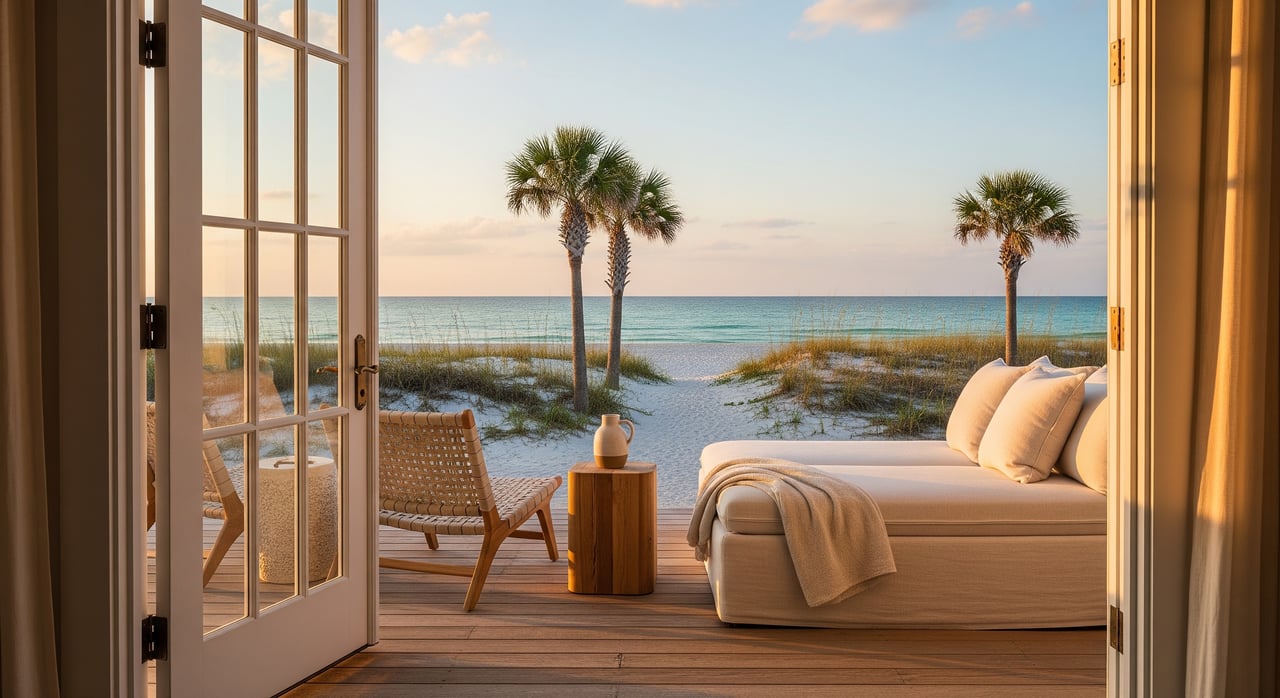
What It’s Like To Live In Pass-a-grille Beach
February 5, 2026
February 5, 2026
Ever wonder what it feels like when the beach is your front yard and sunsets shape your schedule? If you’re drawn to small-scale coastal living, Pass-a-Grille might be your kind of place. You get a walkable main street, daily Gulf breezes, and a tight rhythm of coffee, beach time, and casual dining. In this guide, you’ll see how life flows here, what to expect in different seasons, and the basics of housing, insurance, and everyday errands. Let’s dive in.
Pass-a-Grille sits at the southern tip of St. Pete Beach on a slender barrier island in Pinellas County. It functions as a distinct neighborhood within the City of St. Pete Beach with a compact, village feel. Visitor resources describe its cottage-scale streets, small galleries, beach bars, and a relaxed pace that centers on the Gulf of Mexico. You can learn more about the area from Visit St. Pete/Clearwater and the City of St. Pete Beach.
The look and feel are timeless Florida: low-rise buildings, narrow streets, and mature palms. You’ll see historic cottages alongside a few small condo buildings and duplexes, with public beach access woven throughout. The beach itself is the neighborhood’s main gathering place.
Mornings start early here. Many residents take a quick walk to the beach for a quiet shoreline stroll, shelling, or a dip before the day warms up. Coffee and breakfast spots are clustered along the main strip, so you can grab a pastry and be back on the sand in minutes.
The core of Pass-a-Grille is highly walkable with casual lunch options and a handful of boutiques and galleries. For bigger errands, most residents drive a short distance up St. Pete Beach or hop over to the mainland for full-service grocery stores, pharmacies, and larger retail. Afternoons often mean paddleboarding, fishing, or a calm swim when the water is clear.
Sunset is a ritual. You’ll see neighbors and visitors gather along the beach to watch the sky change, then drift to laid-back seafood spots and beach bars. During peak season, nights can be lively. Off-season, evenings feel calmer and more residential.
If daily Gulf access is a priority, Pass-a-Grille delivers. The municipal beach stretches along the neighborhood, with clearly marked access points and posted rules. For details on beach facilities, parking, and seasonal reminders, check the City of St. Pete Beach.
Boaters and paddlers enjoy quick routes to Boca Ciega Bay and the Intracoastal. Kayaking, paddleboarding, small-boat fishing, and wildlife viewing are part of the lifestyle. Nearby coastal waters, including the Boca Ciega Bay Aquatic Preserve, are described by the Florida Department of Environmental Protection, which highlights conservation areas and boating etiquette.
The immediate neighborhood is built for short walks and bike rides. Streets are narrow compared with the mainland, and many locals use bikes or small electric vehicles for quick trips. Gulf Boulevard is the main north-south route across St. Pete Beach, and traffic can slow in peak season and on holiday weekends.
Public transit in Pinellas County is managed by PSTA, with routes connecting the barrier islands to the mainland. If you travel often, Tampa International (TPA) and St. Pete–Clearwater International (PIE) are the nearest major airports. Plan extra time during high season or event weekends.
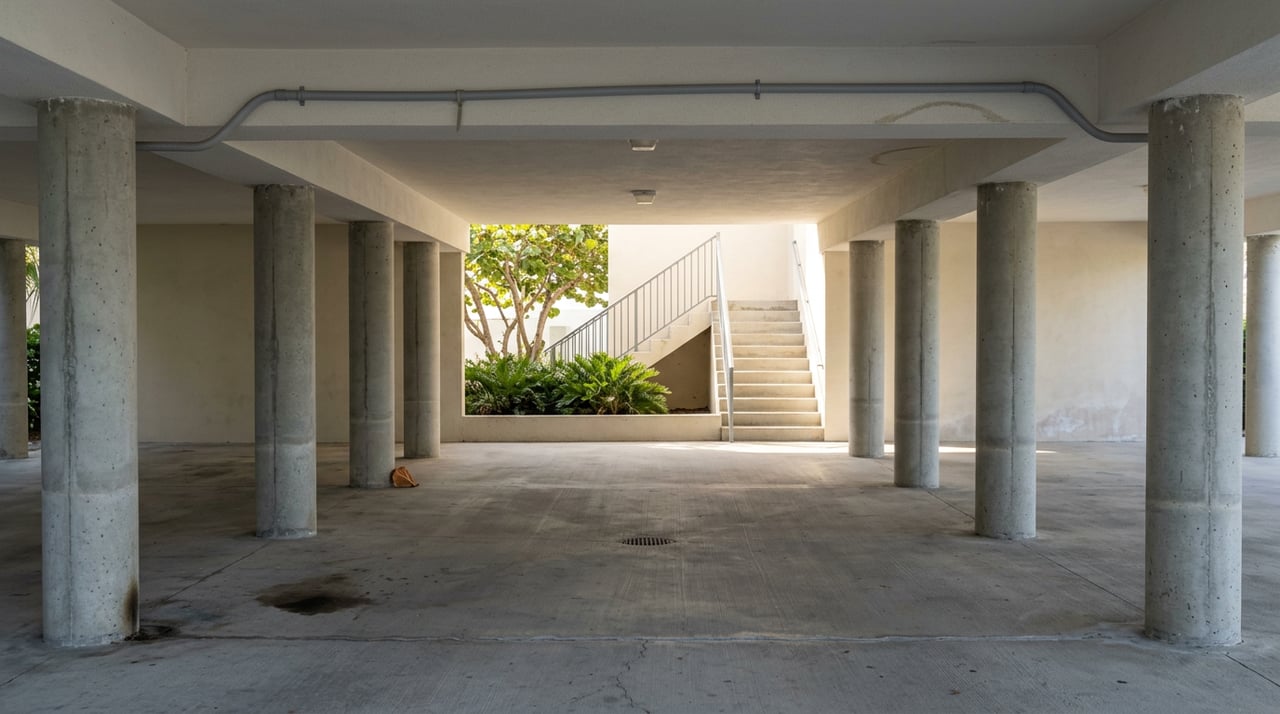
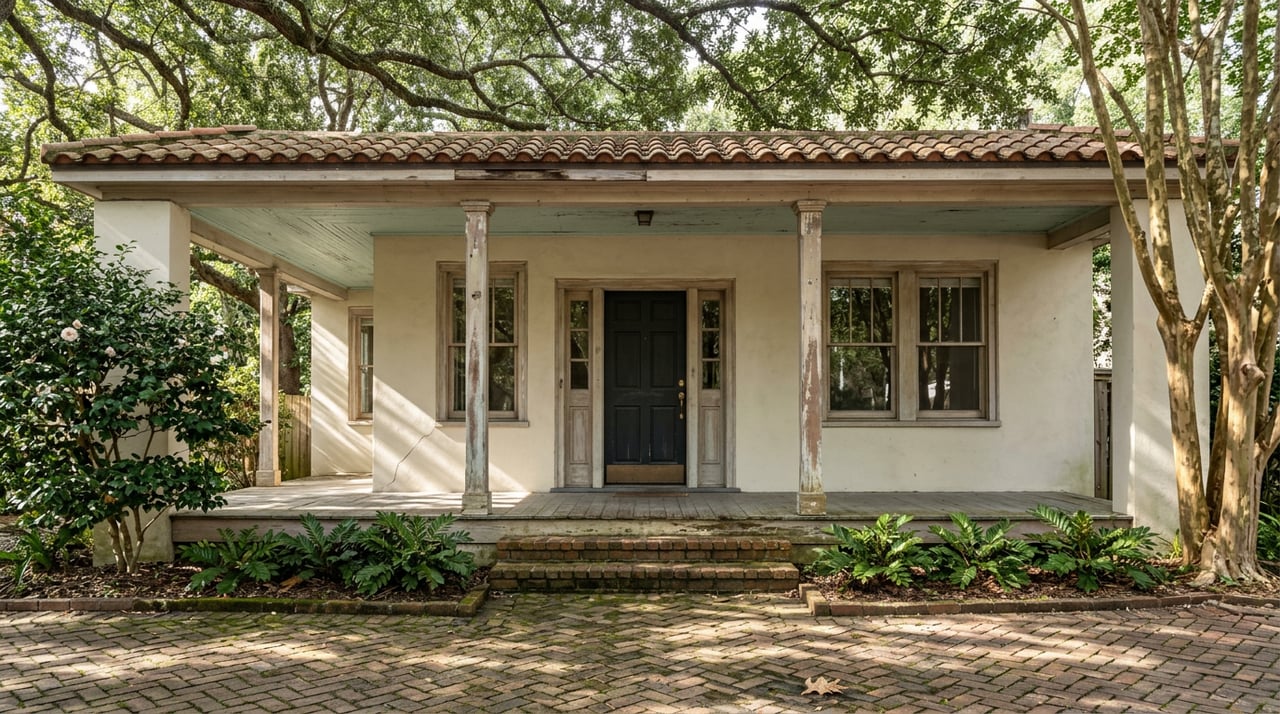
You’ll find a mix of historic cottages and bungalows, duplexes and small multifamily buildings, and low- to mid-rise condos. Some properties have been rebuilt or elevated to meet coastal standards. Overall, building heights stay low, which preserves the village feel.
If you want a sense of the broader city backdrop, you can reference population snapshots in federal data for St. Pete Beach through U.S. Census Bureau QuickFacts.
Barrier-island living comes with specific insurance and construction considerations. Many properties are in FEMA flood zones, so flood insurance may be required if you finance with a mortgage. Wind or hurricane coverage is also a common part of homeowners policies in coastal areas. It helps to speak with an insurance agent early so you understand coverage types, deductibles, and costs.
Hurricane season runs from June through November, and local weather guidance is available from NOAA. Most residents develop simple routines for storm prep. On the maintenance side, plan for more frequent exterior care due to salt air. That can include paint touch-ups, corrosion checks on metal fittings, and regular HVAC servicing.
Like many Florida Gulf communities, Pass-a-Grille has a strong seasonal rhythm. Late fall through spring brings more visitors and a lively restaurant scene. Summer is hot and humid with fewer long-term visitors, which many residents enjoy for the quieter pace. Expect busier weekends and holidays year-round, with more parking demand and activity on the beach.
Consider Pass-a-Grille if you value:
Things to weigh:
Ready to get a closer look and compare real listings to your wish list? Let’s talk about neighborhood pockets, property types, and what fits your goals.
If you’re exploring Pass-a-Grille, you deserve a hands-on guide with local insight. Reach out to Jason White for a personal walkthrough of the area and curated listings that match how you want to live.
Stay up to date on the latest real estate trends.
Embark on your next real estate journey with W Real Estate Group. Contact us today and let us turn your real estate dreams into reality. With W Real Estate Group, your success is our priority. Welcome home to a future of exceptional real estate experiences!