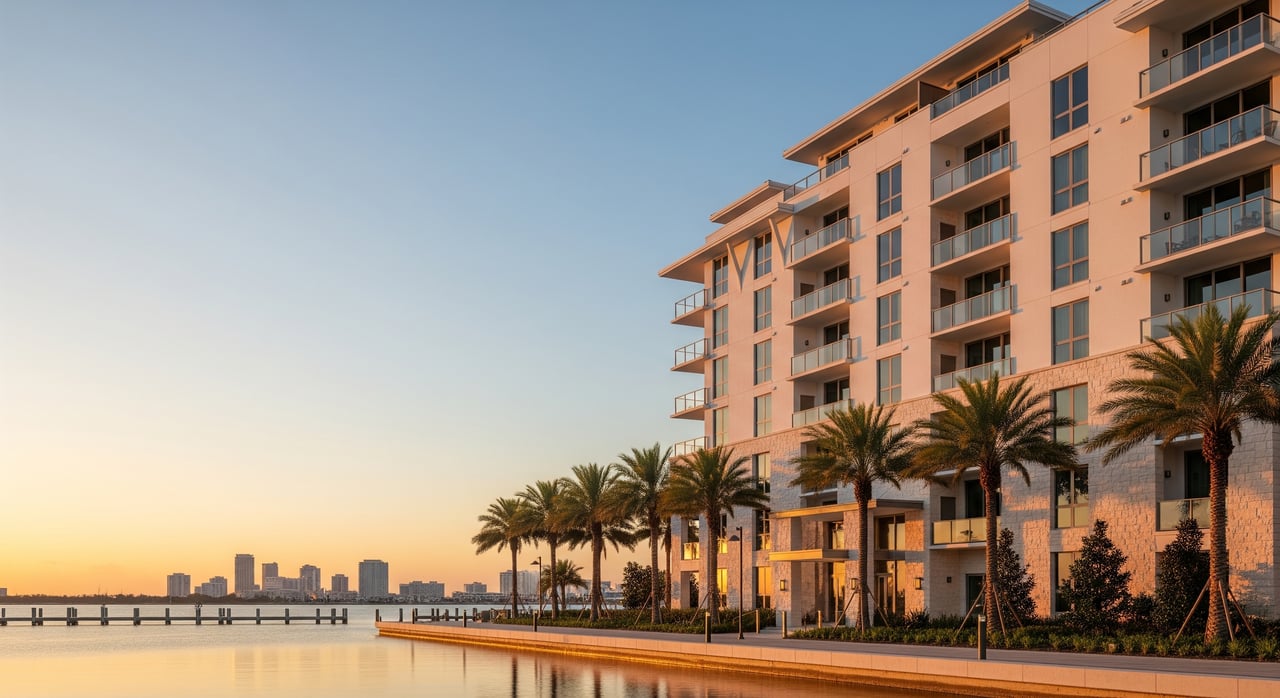
Warrantable vs Non‑Warrantable Condos in Downtown St Petersburg
January 1, 2026
January 1, 2026
Trying to buy a condo in downtown St. Pete and keep hearing “warrantable” and “non‑warrantable”? You are not alone. These labels can shape your loan options, interest rate, and even which buildings you can buy in. A little clarity now can save you time, money, and stress later.
In this guide, you will learn what warrantability means, how lenders evaluate St. Pete condo buildings, and the practical ways buyers navigate financing in our coastal market. You will also get a simple checklist to compare buildings and spot red flags early. Let’s dive in.
A condo is considered “warrantable” when the building and association meet the eligibility rules of major mortgage programs like Fannie Mae and Freddie Mac, and sometimes government-backed programs like FHA and VA. When a building is warrantable, you usually have access to competitive conventional loans. If it is not, you may need alternative financing.
There are two layers to this evaluation:
Different programs follow their own playbooks. Conventional lenders lean on Fannie Mae and Freddie Mac guidance. FHA and VA have separate condo approval processes. On top of that, many banks add their own “overlays,” so one lender might approve a building that another will not. The bottom line is simple. Confirm building eligibility with your specific lender early in your search.
High owner occupancy is seen as more stable. Heavy rental concentration can mean more risk and potential maintenance challenges. Many conventional guidelines look for a majority owner-occupied project. Exact thresholds vary by program and lender, so treat any single number as a guideline, not a guarantee.
Lenders want to see that the association can pay for future repairs without relying on large surprise assessments. A recent reserve study and a funded reserve account are strong signs of health. A lack of reserves, especially in older buildings, is a common reason a project becomes non‑warrantable.
Active litigation creates uncertainty. Structural, insurance, or construction-defect cases are taken seriously and can make a project non‑warrantable. Some lenders will allow limited or immaterial litigation if the risk is well understood. Expect lenders to request a litigation letter from the association’s attorney.
If a single owner, investor, or developer controls a big share of units, lenders may be concerned about governance and assessment risk. Lender review thresholds differ, but concentrated ownership often triggers extra scrutiny.
Projects with significant ground-floor retail or commercial space operate differently than purely residential buildings. Some programs limit the proportion of commercial space. Mixed-use can be fine, but it can also push a building into non‑warrantable territory if the ratios are too high.
High delinquency reduces cash flow and can signal financial strain. Lenders check how many owners are behind on assessments. Elevated delinquency can block conventional financing.
In coastal Pinellas, strong master insurance is essential. Lenders review wind and hurricane coverage details, deductibles, and flood requirements. Unusually high deductibles or limited coverage can be a red flag, especially for waterfront high-rises.
Older buildings can be excellent homes, but they demand careful review. Post‑Surfside, lenders and insurers increased scrutiny of structural inspections, reserve funding, and engineering recertifications. Expect lenders to ask for recent engineering reports and evidence that the association is funding future needs.
When a project is warrantable, conventional loans typically offer the most competitive rates and terms. Lenders will review owner-occupancy, reserves, litigation, commercial ratios, and ownership concentration. If the project meets standards, you have a straightforward path to closing.
FHA can be helpful for buyers who want a lower down payment, but the building itself must be FHA approved or able to obtain approval. Projects with significant litigation, financial weaknesses, or high commercial components may be ineligible. If a building is approved, FHA can sometimes work where conventional hits a wall.
For eligible veterans, VA financing can be an excellent option when the condo appears on the VA approved list. Like FHA, VA follows a project approval process, and many lenders will not finance non‑warrantable buildings under VA.
Some banks and credit unions hold loans in-house and can underwrite more flexibly. These lenders often step in on borderline or non‑warrantable buildings. Trade-offs can include higher rates, larger down payments, and stronger borrower reserves.
These are short-term, high-cost options. They can bridge a purchase when no other financing fits, but they are not designed for long-term homeownership. In very high-risk scenarios, cash buyers are more common.
Downtown St. Pete has a blend of mid-century conversions, waterfront high-rises, and newer luxury towers. Older conversions may not have built up reserves as quickly, and prior maintenance may be uneven. That history can influence lender decisions.
Coastal Pinellas faces windstorm and flood risk. Insurance costs and underwriting have shifted in recent years. Lenders will look closely at the master policy, hurricane deductibles, and any flood requirements. Strong coverage supports warrantability.
Increased municipal and state scrutiny of structural recertifications and reserves means more documentation in older high-rises. You should expect to see engineering reports or notices of upcoming inspections. These can influence both financing and potential future assessments.
Florida’s coastal environment and active development can lead to litigation over construction defects, water intrusion, or structural issues. Because litigation is a frequent reason for non‑warrantability, it is wise to request a litigation letter early.
Local mortgage professionals, title companies, and condo-experienced real estate attorneys see these buildings every day. They often know which lenders engage with specific projects and which documents move the process faster. A local team can save you weeks.
Use this quick map to set expectations and plan your loan strategy.
Request these items early and review them carefully. They help you compare buildings and avoid surprises.
Practical steps for a smoother process:
Warrantability is about project health and risk. In downtown St. Pete’s coastal market, factors like reserves, insurance, litigation, and building age play an outsized role in what you can finance and at what cost. With the right due diligence and a lender who understands local condos, you can buy confidently, even in buildings that need a little extra work to get across the finish line.
If you want a clear read on warrantability in a specific building, or introductions to lenders who regularly finance downtown St. Pete condos, reach out to Jason White. We will help you compare options, anticipate lender questions, and move from offer to keys with confidence.
Stay up to date on the latest real estate trends.
Embark on your next real estate journey with W Real Estate Group. Contact us today and let us turn your real estate dreams into reality. With W Real Estate Group, your success is our priority. Welcome home to a future of exceptional real estate experiences!