Thinking about a condo in Downtown St. Pete and worried about assessments? You are not alone. Between salt air, storm exposure, and evolving building standards, understanding how condo fees and special assessments work is essential before you buy. In this guide, you will learn what assessments are, how they are set, what to review during due diligence, and the red flags to watch for in St. Petersburg’s urban waterfront market. Let’s dive in.
What condo assessments cover
Condo associations collect money to run the community and care for the building. Those charges fall into a few clear buckets.
Regular assessments
Regular assessments, often called HOA dues, are the recurring charges you pay monthly or quarterly. They fund day-to-day operating costs like utilities, management, insurance premiums, routine maintenance, and common-area services. They also include planned contributions to reserves.
Reserves for big repairs
Reserve funds are set aside for major capital repairs and replacements. Think roof work, elevator overhauls, parking-deck repairs, exterior painting, waterproofing, and structural items. A professional reserve study inventories components, estimates their remaining life and cost, and recommends a funding schedule so the association can plan ahead.
Special assessments
Special assessments are one-time or short-term charges used when the operating budget and reserves are not enough to cover a project or unexpected expense. Procedures and approval thresholds for special assessments are defined in the condo documents and Florida law under the Florida Condominium Act, Chapter 718.
How associations set amounts
Budget process
Each year, the association prepares an annual budget that estimates operating expenses and reserve contributions. That budget sets the level of regular assessments. If reserve funding falls behind or new needs are identified, the board may raise dues, borrow, or propose a special assessment to close the gap.
Allocation to each unit
Assessments are typically allocated based on each unit’s percentage interest in the common elements, as stated in the declaration. Your share is not random. It is tied to a formula in the governing documents, which your attorney or agent can help you locate and understand.
Downtown St. Pete factors that move assessments
Salt air and storms
Downtown St. Petersburg sits in a marine environment. Salt air and high humidity can accelerate corrosion of exterior metal, concrete spalling on balconies and parking structures, and wear on mechanical systems. Pair that with hurricane and wind exposure, and buildings often require more frequent exterior work and careful planning for storm-related expenses.
Building age and codes
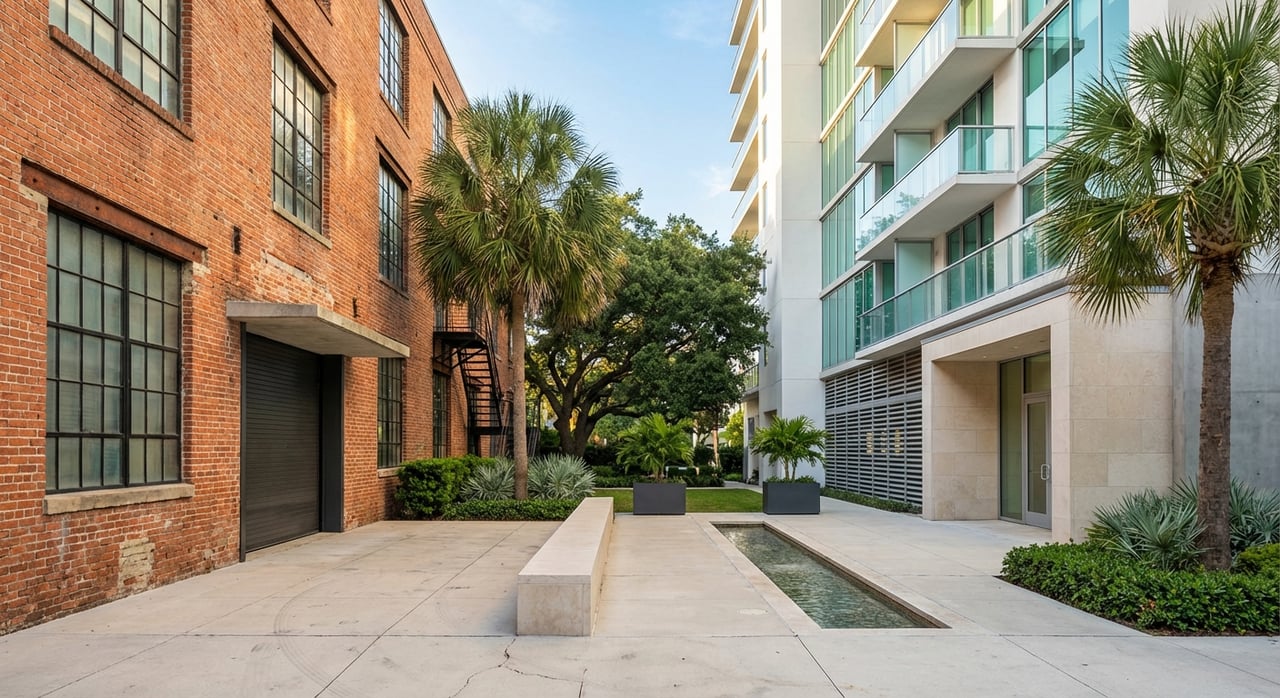
The urban core includes a mix of older mid-rises and newer luxury towers. Older buildings may face larger near-term needs for roofs, waterproofing, façade work, elevators, or parking decks. After the Surfside tragedy in 2021, Florida communities have increased attention to structural inspections and recertification. You should confirm a building’s inspection status and any identified repairs that could affect future costs.
Insurance realities
Associations carry master insurance policies. In Florida, hurricane and windstorm deductibles are often stated as a percentage of the policy limit. When a storm hits, a large deductible can translate into substantial owner assessments if a claim is made. It pays to know the coverage type and the size of the deductible before you buy.
Financing and eligibility considerations
Lender project reviews
Mortgage programs like FHA, Fannie Mae, Freddie Mac, and VA have condo project requirements. Lenders look at reserve funding, owner-occupancy rates, the share of units owned by one entity, and any active litigation. If a project falls short, you may face tighter loan terms or fewer financing options.
Insurance and deductibles
Lenders also expect adequate master insurance. They may ask for details on policy limits, hurricane deductibles, and the insurer’s rating. Some lenders require escrowing a portion of any special assessment payoff to manage risk.
Litigation and loans
Active lawsuits against the association or developer can push up insurance premiums, pressure reserves, and lead to special assessments. Associations sometimes borrow to fund large projects. If there is an outstanding loan, it will affect assessments through debt service, which should be disclosed to buyers.
Due diligence checklist for buyers
Request these documents early and build time into your contract for review. Aim for originals or certified copies when possible.
- Current year adopted budget and the last 2 to 3 years of budgets
- Most recent reserve study, including updates or component lists
- Reserve account statements showing balances and account types
- Last 2 to 3 years of financial statements, plus year-to-date balance sheet and operating statement
- Accounts receivable aging and owner delinquency summary
- List of outstanding loans, lines of credit, or assessment-related borrowing
- History of special assessments over the past 5 to 10 years with amounts and purpose
- Assessment collection policy and late-fee or fine schedule
- Master insurance declarations, coverage summary, and hurricane or windstorm deductibles
- Fidelity bond and directors and officers insurance summaries
- Major vendor contracts and recent bids for capital projects
- Declaration of condominium, articles, bylaws, and rules and regulations
- Minutes of board and membership meetings for the past 12 to 24 months
- Resale certificate or estoppel letter that confirms current and pending assessments
- List and status of pending or threatened litigation
- Notices and ballots for recent membership votes, especially on special assessments
- Owner occupancy or investor percentage summary
- Recent engineer or structural reports and building inspection reports
- Permit and inspection history for major repairs
- Warranty information for newer systems or components
- Rental and tenant registration rules
- Parking assignment policies and documentation
- Hurricane preparedness and post-storm plans where available
Key questions to ask before you offer
Focus your questions on financial strength, building condition, risk, and governance. Ask for written answers.
- Financial health and assessments
- What is the current reserve balance versus the fully funded reserve recommended in the latest reserve study?
- Have there been special assessments in the past 5 to 10 years? How much and why?
- Are any special assessments planned or under consideration in the next 12 to 36 months?
- Are there outstanding association loans, and what are the terms?
- What percentage of owners are delinquent on dues, and how are delinquencies managed?
- Building condition and capital projects
- When was the last reserve study, and when is the next update planned?
- Do recent engineering reports flag high-risk components like balconies, façades, parking decks, roofs, or elevators?
- Are any deferred maintenance items pending because of budget limits?
- Insurance and risk
- What is the hurricane or windstorm deductible, and who is the insurer?
- Does the association carry fidelity bond and D and O coverage? What are the limits?
- Any recent insurance claims or non-renewals?
- Governance and legal
- Is the association in litigation? If so, what exposure is possible and is any reserve set aside?
- Have there been changes to governing documents that affect assessment formulas or budgets?
- Lender and resale implications
- Is the project eligible under FHA, Fannie Mae, Freddie Mac, or VA guidelines?
- How does the association handle collection and liens for unpaid assessments?
- Local and regulatory compliance
- Is the building current on any required structural recertifications or inspections, and are there outstanding repair mandates?
Red flags to avoid
You want clarity, adequate reserves, and a track record of proactive maintenance. Be careful if you see:
- Very low reserves compared with the latest reserve study recommendation
- A pattern of large or repeated special assessments
- High owner delinquency percentages
- Ongoing or frequent litigation
- Rising insurance deductibles, non-renewals, or use of non-admitted carriers
- Multiple deferred maintenance items noted in minutes or engineer reports
- Delays providing financials, meeting minutes, or the resale certificate
- A single entity owning a large share of units or very high investor percentages that can affect governance and financing
Estimate your exposure
You can make a practical estimate of future costs from the documents you collect.
- Compare current reserves to the reserve study’s recommended fully funded level.
- Review planned capital projects in the next 1 to 3 years and ask for recent bids or engineer estimates.
- Check whether the association plans to use reserves, borrow, or levy a special assessment. If a special assessment is likely, ask for the proposed allocation method and schedule.
- Find your unit’s allocation percentage in the declaration to estimate your share of a project.
- Study the master policy’s hurricane or windstorm deductible. Understand that a percentage deductible can translate into sizable owner assessments if a storm triggers a claim.
If anything looks uncertain, ask the association to provide written statements on project timelines, funding plans, and any anticipated votes.
Your next steps in Downtown St. Pete
Buying a condo downtown offers walkable culture, water views, and a vibrant lifestyle. It also calls for a calm, thorough look at budgets, reserves, insurance, and engineering reports. With clear documents and straight answers, you can separate a well-run building from one that might surprise you later.
If you want a local partner to help request documents, interpret what matters, and coordinate with your lender, our boutique team is here for you. We work across Downtown St. Petersburg and nearby coastal neighborhoods and understand how marine exposure, storm risk, and lender rules show up in real numbers. For a confident condo search and a smart, low-stress closing, connect with Jason White.
FAQs
What is a special assessment in a Downtown St. Pete condo?
- It is a non-recurring charge the association levies when operating funds and reserves are not enough to pay for an unexpected expense or a planned capital project. Procedures follow the declaration and Florida Condominium Act rules.
How are assessments divided among owners in Florida condos?
- Associations typically allocate assessments using each unit’s percentage interest in the common elements. Your share is defined in the condo declaration.
Why are reserves so important for waterfront condos?
- In a marine environment with salt air and high humidity, exterior and structural components can wear faster. Strong reserves guided by a professional reserve study help fund timely repairs and reduce the likelihood of surprise special assessments.
How do lender rules affect my ability to finance a unit?
- FHA, Fannie Mae, Freddie Mac, and VA review project factors like reserve funding, owner occupancy, single-entity ownership concentration, and litigation. Weak metrics can limit loan options or change terms.
What should I look for in the master insurance policy?
- Confirm coverage type and the hurricane or windstorm deductible. In Florida, deductibles are often a percentage of the policy limit and can lead to sizable owner assessments if a claim occurs.
What documents should I request before making an offer?
- Ask for the current budget, recent reserve study, reserve bank statements, financials, delinquency summary, insurance declarations, minutes, estoppel or resale certificate, engineer reports, and any bids for planned projects.
What are common red flags in Downtown St. Pete condo associations?
- Very low reserves, repeated special assessments, high delinquencies, frequent litigation, rising deductibles, deferred maintenance, poor transparency, and high investor concentration are all risk signals.